High Fasting Blood Glucose: What It Can Indicate
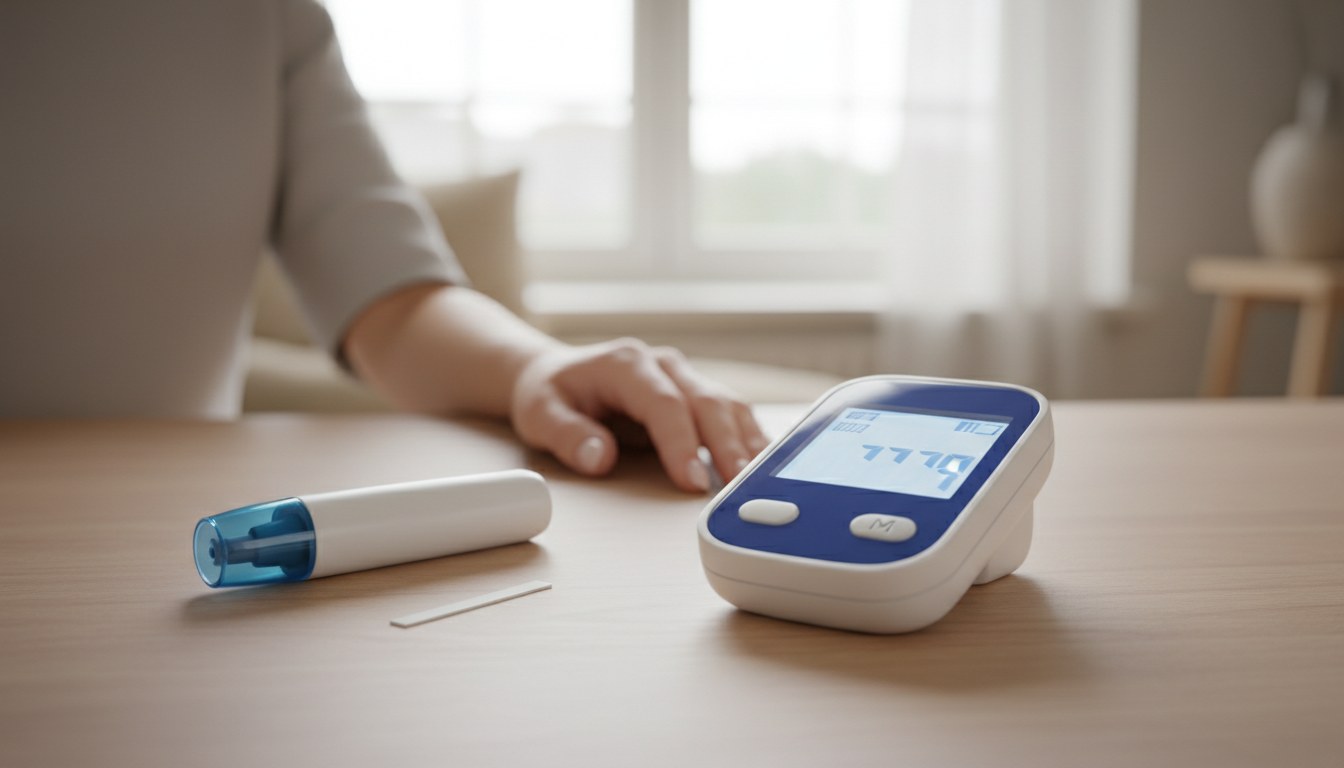
Fasting blood glucose (FBG), a measurement of blood sugar after at least 8 hours without eating, is one of the most important screening tests for diabetes and prediabetes.
Written By: DocAi Health Editorial Team
Last Updated: 2026-07-13
Fasting blood glucose (FBG), a measurement of blood sugar after at least 8 hours without eating, is one of the most important screening tests for diabetes and prediabetes. Blood glucose is the body's primary energy source, and normally the pancreas releases insulin to keep levels tightly regulated. When this regulation breaks down, blood glucose rises above normal, first into the prediabetes range, then into the diabetes range if left unaddressed. Understanding your result and what it means is the essential first step.
Understanding Fasting Blood Glucose Ranges
| Category | Fasting Blood Glucose |
|---|---|
| Normal | Below 100 mg/dL (5.6 mmol/L) |
| Prediabetes (Impaired Fasting Glucose) | 100-125 mg/dL (5.6-6.9 mmol/L) |
| Diabetes | 126 mg/dL (7.0 mmol/L) or above on two separate tests |
A single elevated fasting glucose is typically confirmed with a repeat test on a different day before a diagnosis of diabetes or prediabetes is made.
What Does a High Fasting Glucose Mean?
Prediabetes (100-125 mg/dL)
What it is: Blood glucose that is above normal but not yet at the level diagnostic of diabetes. Prediabetes affects approximately 96 million American adults and is a strong risk factor for developing type 2 diabetes.
Why it matters: Without intervention, approximately 15-30% of people with prediabetes develop type 2 diabetes within 5 years. However, prediabetes is largely reversible. The CDC and the NIH Diabetes Prevention Program report that lifestyle changes (modest weight loss and regular exercise) can reduce the risk of progression to diabetes by 58%, making early detection enormously valuable.
Symptoms: Prediabetes typically causes no symptoms, which is why blood glucose screening is important for people with risk factors even without symptoms.
Risk factors for prediabetes: Overweight or obesity (especially central adiposity), physical inactivity, family history of type 2 diabetes, age 45 or older, gestational diabetes history, certain ethnic groups (African American, Hispanic, Native American, Asian American), polycystic ovary syndrome (PCOS), high blood pressure, abnormal cholesterol.
Type 2 Diabetes (126 mg/dL or above)
What it is: Diabetes is confirmed when fasting glucose is 126 mg/dL or above on two separate occasions, or when an A1C of 6.5% or above is found, or when a 2-hour glucose tolerance test shows a value of 200 mg/dL or above.
Why it matters: Sustained high blood glucose damages blood vessels and nerves throughout the body. Long-term complications of unmanaged diabetes include kidney disease (nephropathy), eye damage (retinopathy), nerve damage (neuropathy), and significantly increased cardiovascular risk.
Symptoms: Many people with newly diagnosed type 2 diabetes have no symptoms. When symptoms occur: excessive thirst, frequent urination, fatigue, blurred vision, slow wound healing, increased infections.
Type 1 Diabetes
What it is: An autoimmune condition in which the immune system destroys insulin-producing beta cells in the pancreas. Type 1 accounts for approximately 5-10% of diabetes cases and typically presents earlier in life (though it can appear at any age).
Distinguishing features: Type 1 presents more acutely, often with rapid weight loss, significant thirst, and urination, and can present with diabetic ketoacidosis (DKA). Positive autoantibodies (anti-GAD, anti-islet cell) and low or absent insulin/C-peptide levels distinguish it from type 2.
DKA is a medical emergency. Diabetic ketoacidosis can develop quickly and be life-threatening. If you or someone else has nausea or vomiting, abdominal pain, fruity-smelling breath, rapid or deep breathing, confusion, or extreme fatigue, especially along with known or suspected diabetes, call 911 or go to the emergency room immediately. Do not wait to schedule a routine appointment.
Secondary Causes of High Fasting Glucose
Elevated fasting glucose can also result from conditions other than primary diabetes. These include: Cushing's syndrome (excess cortisol); acromegaly (excess growth hormone); pancreatitis or pancreatic cancer (which damage insulin-producing cells); corticosteroid medications (very common cause of steroid-induced hyperglycemia); and stress hyperglycemia (temporary elevation during acute illness or hospitalization). These causes are typically apparent from the clinical context.
What Happens After a High Fasting Glucose Result?
A single high fasting glucose should be repeated on a different day to confirm. Your provider will typically also measure: A1C (average blood glucose over the past 2-3 months, a complementary test not affected by day-to-day variability); urine tests for glucose and protein (protein in the urine can indicate early kidney involvement in diabetes).
If prediabetes is confirmed: the focus is on lifestyle modification, structured programs like the CDC's National Diabetes Prevention Program show the best outcomes. Metformin may be considered for those at highest risk. Close monitoring (A1C every 6-12 months) is recommended.
If diabetes is confirmed: a comprehensive management plan is established including glucose targets, medications (metformin is usually first-line for type 2), monitoring, and screening for complications.
When to Seek Medical Care
Emergency, call 911 or go to the ER immediately if you or someone with diabetes has symptoms of diabetic ketoacidosis (DKA): nausea or vomiting, abdominal pain, fruity-smelling breath, rapid or deep breathing, confusion, or extreme fatigue. Also seek emergency care right away for signs of severe low blood sugar (confusion, slurred speech, seizure, or loss of consciousness), chest pain, shortness of breath at rest, one-sided weakness or slurred speech, or fainting. These are medical emergencies, not something to monitor or schedule an appointment for.
See a doctor soon (non-urgent): Adults over 35 who are overweight or have risk factors should be screened for diabetes and prediabetes every 3 years (or more frequently if values are borderline). Any fasting glucose above 100 mg/dL should be discussed with a provider. If you have gradual symptoms suggesting high blood glucose, excessive thirst, frequent urination, unexplained weight loss, fatigue, blurred vision, seek evaluation without waiting for your next routine checkup, but this does not require an emergency room visit unless the emergency symptoms above are also present.
Frequently Asked Questions
What is the difference between fasting blood glucose and A1C?
Fasting blood glucose is a single snapshot of blood sugar at the time of testing, taken after an overnight fast. A1C (glycated hemoglobin) reflects the average blood glucose over the past 2-3 months. Both are used to screen for and diagnose diabetes. A1C does not require fasting and is less variable day-to-day.
Can stress raise fasting blood glucose?
Yes. Physical or emotional stress triggers the release of cortisol and adrenaline, which raise blood glucose as part of the fight-or-flight response. A single elevated reading during a period of illness or significant stress should be interpreted with caution and confirmed with repeat testing under normal conditions.
Can fasting glucose be high even without diabetes?
Yes. Aside from prediabetes and diabetes, causes of elevated fasting glucose include corticosteroid medications, Cushing's syndrome, acute illness (stress hyperglycemia), and less commonly other endocrine disorders. The clinical picture and repeat testing help differentiate these.
Is prediabetes reversible?
Yes, for most people. Prediabetes can be reversed to normal glucose regulation through lifestyle changes, particularly achieving and maintaining modest weight loss (5-7% of body weight) and increasing physical activity to at least 150 minutes of moderate-intensity exercise per week. This requires consistent effort but is very achievable.
What is the most accurate test for diagnosing diabetes?
All three main tests (fasting glucose, A1C, and 2-hour oral glucose tolerance test) are considered valid diagnostic tools. Fasting glucose and A1C are the most commonly used in clinical practice because they are simpler to perform. Diagnosis requires confirmation on a repeat test using the same or a different method, except in patients with clear symptoms of hyperglycemia.
Sources
- American Diabetes Association - Introduction and Methodology: Standards of Care in Diabetes, 2026
- Centers for Disease Control and Prevention (CDC) - National Diabetes Statistics Report
- National Institute of Diabetes and Digestive and Kidney Diseases (NIH) - Diabetes Tests & Diagnosis
- MedlinePlus (National Library of Medicine, NIH) - Blood Glucose Test
- Mayo Clinic - Prediabetes - Symptoms and causes