GERD (Acid Reflux): Causes, Symptoms, and Treatment
Gastroesophageal reflux disease (GERD) is a chronic condition in which stomach acid or bile flows backward from the stomach into the esophagus, the tube connecting the throat to the stomach.
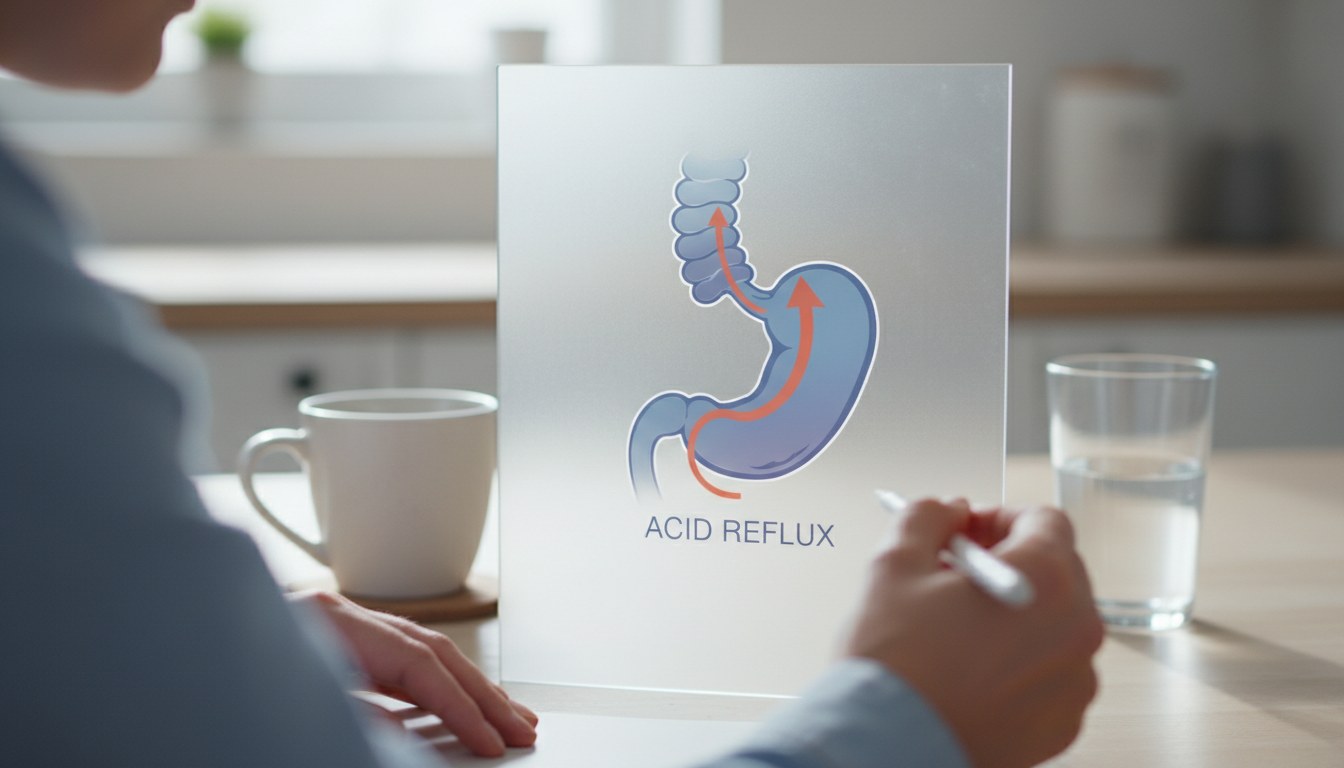
Written By: DocAi Health Editorial Team
Last Updated: 2026-07-13
Gastroesophageal reflux disease (GERD) is a chronic condition in which stomach acid or bile flows backward from the stomach into the esophagus, the tube connecting the throat to the stomach. While occasional acid reflux is common and normal, GERD is defined by reflux that is frequent enough to cause troublesome symptoms or damage to the esophageal lining. It affects an estimated 20% of adults in Western countries and is one of the most common reasons people visit a gastroenterologist.
What Causes GERD?
Lower Esophageal Sphincter (LES) Dysfunction
The lower esophageal sphincter is a muscular valve at the junction of the esophagus and stomach that normally remains closed, preventing stomach contents from refluxing upward. GERD occurs primarily because of abnormal relaxation or weakening of this sphincter, allowing acid to escape into the esophagus. Certain foods (caffeine, alcohol, chocolate, fatty foods, mint), obesity, pregnancy, and some medications (nitrates, calcium channel blockers, certain antidepressants) can relax the LES.
Hiatal Hernia
A hiatal hernia occurs when part of the stomach slides up through the diaphragm into the chest cavity. This disrupts the normal anatomy of the LES and makes reflux significantly more likely. Hiatal hernias are common in people over 50 and are closely associated with GERD, though GERD can occur without a hiatal hernia.
Obesity
Increased abdominal pressure from excess weight presses on the stomach, forcing acid upward. Obesity is one of the strongest risk factors for GERD and Barrett's esophagus. Weight loss is one of the most effective lifestyle interventions for GERD reduction.
Delayed Gastric Emptying
When the stomach empties too slowly (gastroparesis), food and acid sit in the stomach longer, increasing the likelihood and amount of reflux. Gastroparesis is associated with diabetes, medications (opioids, some antidepressants), and neurological conditions.
Dietary and Lifestyle Triggers
Trigger foods vary by individual but commonly include: citrus fruits, tomato-based products, spicy foods, chocolate, caffeine, alcohol, fatty meals, and carbonated beverages. Large meal volumes and eating close to bedtime increase reflux episodes.
Typical Symptoms
Heartburn: A burning sensation in the chest, often rising from the stomach to the throat, typically occurring after meals, when lying down, or when bending over. The classic GERD symptom.
Regurgitation: Sour or bitter liquid rising into the mouth or throat, sometimes perceived as acid taste or "wet burps."
Dysphagia: Difficulty swallowing, particularly solid foods, may indicate esophageal narrowing (stricture) from acid-induced scarring.
Atypical (Extra-esophageal) Symptoms
GERD can present with symptoms that seem unrelated to the digestive tract:
- Chronic cough: Acid reaching the throat or stimulating vagal reflexes can cause a persistent dry cough, often worse at night and misidentified as asthma or post-nasal drip
- Laryngopharyngeal reflux (LPR): Acid reaching the larynx (voice box) causing hoarseness, throat clearing, chronic sore throat, and globus sensation (feeling of a lump in the throat)
- Asthma worsening: Acid can be aspirated into airways or trigger vagal bronchoconstriction, worsening asthma
- Dental erosion: Repeated acid exposure erodes tooth enamel
- Non-cardiac chest pain: Esophageal pain can mimic cardiac chest pain exactly, this should always be evaluated
When to Seek Medical Care
Emergency, Call 911 or Go to the ER Immediately
These symptoms can signal active internal bleeding or a heart attack, not routine GERD. Do not wait, and do not drive yourself:
- Vomiting blood or material that looks like coffee grounds
- Black, tarry, or bloody stools
- Dizziness or lightheadedness that could be from blood loss
- Chest pain along with shortness of breath, sweating, or pain spreading to the arm, neck, or jaw, this can be a heart attack and must be ruled out first, even if you have a history of GERD
See a Doctor Soon (Non-Emergency)
Schedule a prompt evaluation, not an ER visit, for: difficulty swallowing (dysphagia) or painful swallowing; unexplained weight loss; symptoms not responding to treatment; or new-onset GERD symptoms after age 50. These may indicate complications (stricture, Barrett's esophagus, esophageal cancer) or another diagnosis.
Complications of Untreated GERD
Erosive esophagitis: Acid-induced inflammation and ulceration of the esophageal lining, causing pain, bleeding, and scarring.
Esophageal stricture: Scar tissue from repeated acid damage narrows the esophagus, causing progressive difficulty swallowing.
Barrett's esophagus: In response to chronic acid injury, the normal esophageal lining is replaced by intestinal-type cells, a precancerous change that increases the risk of esophageal adenocarcinoma. Affects about 10-15% of people with chronic GERD. Requires endoscopic surveillance.
Lifestyle Modifications, First-Line Treatment
- Weight loss: Most effective intervention for overweight patients, even 5-10% weight reduction significantly reduces reflux frequency
- Elevate the head of the bed: Raise the head of the bed 6-8 inches (place blocks under bedposts, not just pillows), gravity helps keep acid down during sleep
- Avoid eating within 2-3 hours of bedtime
- Identify and reduce trigger foods
- Smaller, more frequent meals rather than large meals
- Quit smoking: Smoking reduces LES pressure and increases acid secretion
- Avoid tight-fitting clothing around the abdomen
- Left-side sleeping: Reduces nocturnal reflux compared to right-side sleeping
Medical Treatment
Antacids: Rapid relief for mild, infrequent heartburn, neutralize acid already in the stomach but have no role in managing chronic GERD.
H2 blockers (famotidine/Pepcid): Reduce acid secretion; useful for mild-to-moderate GERD and nighttime symptoms. Faster onset than PPIs but less potent. Note: ranitidine (Zantac) was withdrawn from the entire US market in April 2020 after FDA testing found unacceptable levels of NDMA, a probable human carcinogen; it is no longer legally available, and famotidine (which FDA testing found free of NDMA) is now the standard H2 blocker in use.
Proton pump inhibitors (PPIs) (omeprazole, pantoprazole, esomeprazole): The most effective treatment for healing erosive esophagitis and controlling GERD symptoms. Standard therapy for moderate-to-severe GERD; should be taken 30-60 minutes before the first meal. Long-term use concerns are outlined in the PPI article.
Antireflux surgery (Nissen fundoplication, LINX): Considered for patients who cannot tolerate or do not respond adequately to PPI therapy, or who do not want lifelong medication. Effective but carries surgical risks and is not appropriate for everyone.
Frequently Asked Questions
What is the difference between GERD and acid reflux?
Acid reflux is the backward flow of stomach acid into the esophagus, it happens to virtually everyone occasionally and is not inherently a medical problem. GERD (gastroesophageal reflux disease) is a diagnosis given when acid reflux is frequent enough to be troublesome or causes complications like esophagitis. GERD is defined by the chronic, problematic nature of the reflux.
Is GERD dangerous?
Uncontrolled chronic GERD can lead to serious complications: erosive esophagitis, esophageal stricture (narrowing), and Barrett's esophagus, a precancerous change that increases the risk of esophageal cancer. Appropriately treated GERD significantly reduces these risks. People with longstanding GERD symptoms should have an endoscopy to screen for Barrett's esophagus.
What foods trigger GERD most commonly?
The most commonly reported triggers: acidic foods (citrus, tomatoes), fatty/fried foods, chocolate, caffeine, alcohol, spicy foods, peppermint/spearmint, and carbonated beverages. However, trigger foods vary significantly between individuals, keeping a food diary to identify personal triggers is more useful than following a universal GERD elimination diet.
Can stress cause GERD?
Stress does not directly cause GERD mechanically, but it can worsen GERD perception and increase symptoms through several pathways: stress increases acid secretion, reduces pain tolerance (making existing reflux more noticeable), and is often accompanied by behaviors that worsen GERD (poor diet, increased alcohol, disrupted sleep). Stress management is a reasonable adjunct to medical treatment.
How long do I need to take a PPI for GERD?
For erosive esophagitis, 8-12 weeks of PPI therapy is typically prescribed to allow healing, after which step-down or on-demand therapy may be appropriate. For non-erosive GERD, the lowest effective dose for the shortest necessary duration is recommended. Indications for long-term PPI use include complicated GERD (stricture, Barrett's), Zollinger-Ellison syndrome, or symptoms that recur promptly after stopping. Periodic reassessment is important.
Sources
- National Institute of Diabetes and Digestive and Kidney Diseases (NIDDK, NIH) - Acid Reflux (GER & GERD) in Adults
- MedlinePlus (National Library of Medicine, NIH) - GERD
- American College of Gastroenterology - Acid Reflux / GERD (gastroesophageal reflux disease)
- Mayo Clinic - Gastroesophageal reflux disease (GERD) - Symptoms and causes
- American Gastroenterological Association - Surveillance of Barrett's esophagus