Why Do I Crave and Chew on Ice All the Time?
Craving ice and chewing it compulsively, a habit called pagophagia, is a recognized clinical clue associated with iron deficiency, particularly when the craving is persistent or hard to resist. It can occur even before anemia shows up on a routine blood count.
SymptomsNutrient Deficiency Signssymptom-check
Written By: DocAi Health Editorial Team
Last Updated: 2026-09-30
Last Updated: 2026-09-30
Medical Disclaimer: This article is for general informational and educational purposes only and is not medical advice. It does not create a doctor-patient relationship and is not a substitute for professional diagnosis or treatment by a qualified healthcare provider. Never disregard or delay seeking professional medical advice because of something you have read here. If you think you may have a medical emergency, call 911 or your local emergency number right away. Health information can change and this guidance is general and US-focused, so consult a licensed clinician in your own country about your specific situation.
Craving ice and chewing it compulsively, a habit called pagophagia, is a recognized clinical clue associated with iron deficiency, particularly when the craving is persistent or hard to resist. It can occur even before anemia shows up on a routine blood count. It can also appear during pregnancy or with other nutrient gaps, and it sometimes reflects a stress-related habit with no medical cause. This article explains why ice cravings develop, what they may suggest, how chewing ice affects your teeth, and when it is worth seeing a doctor.
What Pagophagia Actually Is
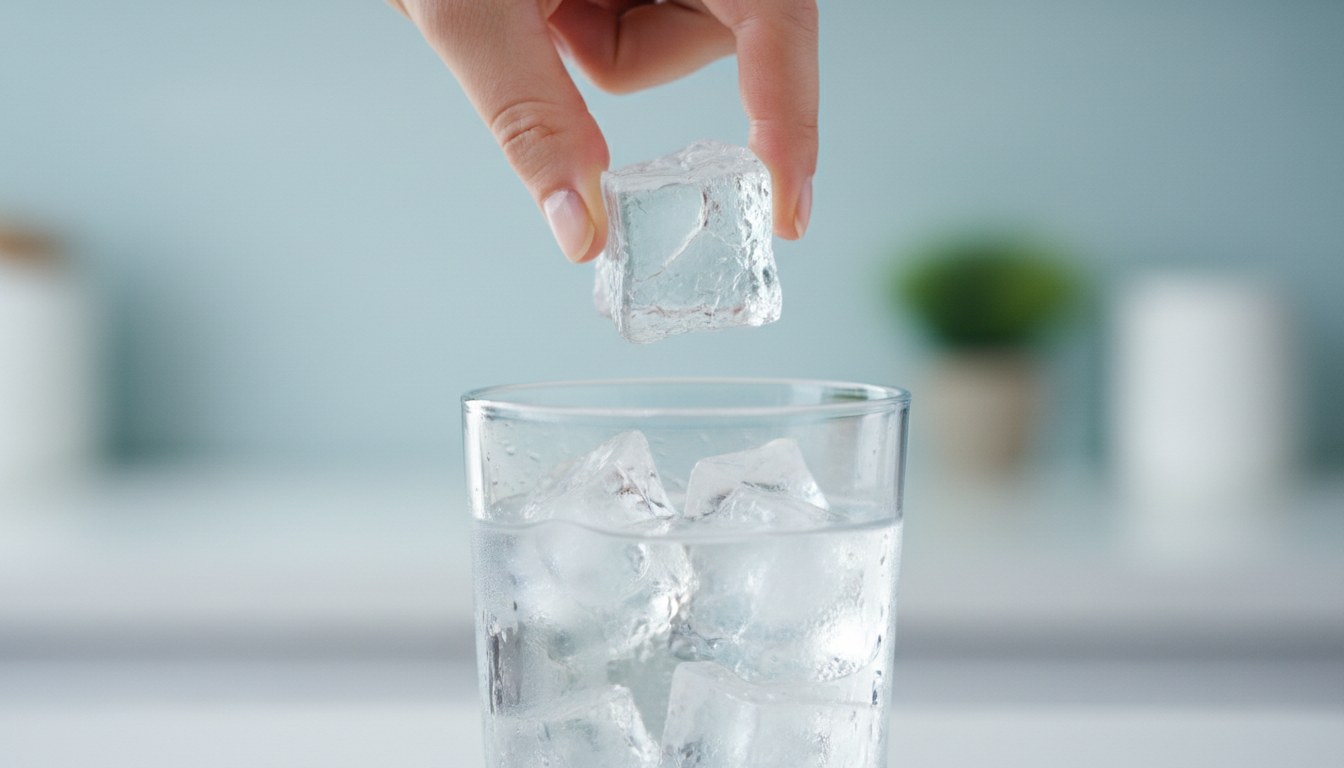
Pagophagia refers to a persistent or compulsive craving for and consumption of ice. It is commonly discussed as a form of pica, the broader term for craving and eating things that have no real nutritional value. Simply enjoying an occasional crunchy ice cube, or reaching for ice on a hot day, does not by itself indicate pagophagia.
The pattern that matters is chewing ice often, sometimes several times a day, and sometimes reaching for it when you are not thirsty, not hot, and have no obvious reason to want it. Many people do not notice how often they are doing it until a family member points it out. A review by NIH researchers notes that ice craving is often overlooked in clinical practice, partly because people can be reluctant to mention it unless asked. Because persistent ice craving has a strong association with iron deficiency but can also have other nutritional, medical, or behavioral explanations, it is worth mentioning to a clinician rather than dismissing it as a habit.
The Link to Iron Deficiency
A well-documented medical association with ice craving is iron deficiency, with or without anemia. Iron stores can become depleted before hemoglobin falls enough to meet the criteria for anemia, so an ice craving can occur while a routine blood count is still normal. MedlinePlus lists a desire to eat ice among the symptoms of iron deficiency anemia, and describes how iron runs low: not getting enough iron through your diet, a digestive condition such as celiac disease limiting how much you absorb, or ongoing blood loss, such as heavy menstrual periods or slow bleeding somewhere in the digestive tract. That kind of digestive bleeding is not always obvious in your stool, though vomiting blood, passing black or tarry stools, or passing a large amount of red blood need emergency medical attention right away, and even smaller amounts of red blood deserve a prompt check, as described in the box below.
Researchers do not know for certain why low iron is linked to craving ice, and the explanations offered so far are hypotheses. One, described in the NIH review, is that chewing cold ice may briefly increase blood flow to the brain and sharpen alertness in people whose oxygen delivery is reduced by anemia. Another is that the cold may soothe a sore, inflamed tongue, which iron deficiency can cause, although the review notes that many people with pagophagia do not report mouth pain, so this is unlikely to be the whole story.
What is better documented, even without an agreed mechanism, is the pattern of resolution. Case series and reviews, including the NIH review cited above, report that the craving often improves after iron replacement begins, though the timing varies and the evidence comes mostly from small studies. It may improve before iron stores have fully recovered, so feeling better does not necessarily mean the deficiency has been completely corrected.
Signs That Often Travel With It
An ice craving can appear alongside other signs of iron deficiency, although mild iron deficiency can cause few or no symptoms. Watch for fatigue that sleep does not fix, skin or the inside of your lower eyelid looking paler than usual, shortness of breath during activity that used to feel easy, a racing or pounding heartbeat with routine tasks, brittle or spoon-shaped nails, headaches, lightheadedness when you stand up quickly, or cold hands and feet. As anemia becomes more severe, the skin, lips, or nail beds can look markedly pale, often along with weakness, shortness of breath, dizziness, and a rapid heartbeat.
Blue or gray lips, fingertips, or skin are a different matter. MedlinePlus explains that a bluish color of the skin is usually due to a lack of oxygen in the blood, and that people with this finding do not normally have anemia. New blue or gray coloring can point to a heart, lung, or circulation problem, so it needs urgent medical attention and should not be put down to low iron. Chest pain, fainting, shortness of breath at rest, and new confusion also need emergency care (see the box below).
None of these signs confirms anemia by itself. It is the combination, especially fatigue paired with an ice craving, that raises the odds a blood test will find something. Our guide to early signs of low iron covers the full checklist, and the guide on causes of fatigue covers the wider list of reasons for feeling drained.
Who Notices This Craving Most
Pregnancy increases iron needs substantially, since the body is building extra blood volume for both the pregnant person and the baby, and ACOG advises that your blood be tested during pregnancy to check for anemia. If you notice a new, persistent ice craving while pregnant, tell your prenatal clinician so they can decide whether additional iron testing is appropriate. People with heavy menstrual periods, frequent blood donors, anyone recovering from significant blood loss during surgery or childbirth, and people with a digestive condition that limits iron absorption, such as celiac disease or a history of gastric bypass surgery, also carry a higher chance.
Older adults can develop iron deficiency too, for example through slow blood loss. People with chronic kidney disease can develop anemia because the kidneys make less erythropoietin, which the body needs to make red blood cells, and they may also develop iron deficiency depending on the cause and treatment. A new ice craving is therefore worth raising with their clinician or the specialist already managing the condition, rather than attributing it automatically to kidney-related anemia.
Diet plays a role as well. People eating little or no meat, poultry, or fish can run low on iron over time if they are not deliberately including well absorbed plant sources of iron, such as beans, lentils, and fortified grains, along with a vitamin C rich food at the same meal to help absorption.
Other Possible Explanations
Iron deficiency is a well-established explanation for ice craving, but it is not the only one. Pica can sometimes occur with other nutritional gaps, and MedlinePlus lists zinc alongside iron, although the link between ice craving specifically and iron deficiency is much better established. Ice craving alone does not point to zinc deficiency, and whether zinc needs to be tested is a decision for your clinician based on your symptoms, diet, and iron results. Some people chew ice as a sensory habit with no nutrient deficiency behind it at all, using the cold and the crunch to cope with stress, anxiety, or boredom, in a way similar to nail biting or pen chewing.
In children, pica can extend past ice to non-food items such as dirt, paint chips, or small household objects. Chewing ice is generally not a poisoning or foreign-body emergency, but these other items carry separate risks, including lead exposure and choking or blockage in the digestive tract. MedlinePlus advises that lead levels be checked in children who may have eaten paint or objects covered in lead paint dust, so tell the child's pediatrician if that could have happened. If a child may have swallowed a button battery, a magnet, a medication, or a chemical, call Poison Control at 1-800-222-1222 or seek emergency care right away instead of waiting for symptoms. Any child who regularly eats non-food items needs a pediatrician's evaluation.
What Chewing Ice Is Doing to Your Teeth
Regardless of what is driving the craving, the chewing itself carries a dental risk. Habitually chewing hard ice can increase the risk of tooth wear, cracks, or damage to fillings and crowns, although the exact risk from ice chewing specifically has not been well quantified. A systematic review of pica and oral health reported tooth wear and cavities among people with pica of various kinds, mostly in case reports.
Watch for a sharp jolt of pain when you bite down, new sensitivity to hot or cold drinks, or a rough edge you can feel with your tongue. A crack that lets bacteria reach the inner pulp of a tooth can become an abscess. Facial swelling, fever, or rapidly spreading pain after a dental injury needs same-day dental or medical evaluation. Go to the emergency department immediately if the swelling makes it hard to breathe, speak, swallow, or open your mouth, if an eye becomes swollen or painful or your vision changes, or if you feel severely unwell. If you already know you chew ice, mention it at your next dental checkup so your dentist can look for small fractures.
Getting It Checked
The useful first step is a conversation with your clinician, who may order blood tests, rather than a guess. A complete blood count (CBC) shows whether your hemoglobin and red blood cell counts are low, and NHLBI lists it alongside blood iron and ferritin levels among the tests used to diagnose iron-deficiency anemia. Ferritin reflects how much iron your body has stored, so it can fall before anemia shows up on a standard count. Inflammation and some chronic illnesses can raise ferritin, so clinicians read it together with the CBC and other iron tests rather than on its own. Tell your clinician about the ice craving, and they can decide which tests, such as a CBC, ferritin, and other iron studies, fit your symptoms, history, and risk factors.
If iron deficiency is not found, your clinician may consider other nutritional, medical, or behavioral causes. If it is found, the next question is why iron ran low, which may involve your diet, digestive symptoms, heavy periods, or another source of ongoing blood loss. For a man or a postmenopausal woman with confirmed iron-deficiency anemia and no obvious explanation, clinicians often investigate the digestive tract for blood loss, and the American Gastroenterological Association recommends bidirectional endoscopy for those without digestive symptoms. Identifying the underlying cause matters more than treating the craving in isolation. Untreated iron deficiency, and especially significant iron-deficiency anemia, can cause substantial fatigue and reduced exercise tolerance and may cause more serious complications when severe or prolonged. Clinicians typically recheck bloodwork during and after treatment to confirm the levels have improved.
What Helps
Treatment follows the cause. If bloodwork confirms iron deficiency, your clinician may recommend iron rich foods paired with a vitamin C source to improve absorption, and may recommend an iron supplement. Diet can help support iron intake, but confirmed iron deficiency, especially iron-deficiency anemia, may require iron replacement and evaluation for the underlying cause. Whether you need a supplement, and how much, is your clinician's call, so do not change or stop your dose on your own. Taking iron supplements without a confirmed deficiency is not recommended, since excess iron can cause its own problems and will not resolve a craving that has a different cause. Iron overdose is particularly dangerous for children, so keep iron supplements, including prenatal vitamins, out of their reach and call Poison Control at 1-800-222-1222 right away if a child swallows any. Iron stores can take a while to rebuild after the craving eases, so follow your clinician's plan and follow-up bloodwork: stopping before the recommended course is complete can leave iron stores incompletely restored, while untreated ongoing blood loss or another underlying cause can allow iron deficiency to return.
Whatever turns out to be behind the craving, protecting your teeth is worthwhile. Some people find that sugar free gum, sipping cold water or a cold drink without chewing the ice, or crunchy vegetables like carrots or celery help with the urge, though this has not been well studied. If you still chew ice, softer forms may place less force on your teeth than large hard cubes, but avoiding chewing is safest for your teeth.
When to Seek Medical Care
When to Seek Urgent or Emergency Care
Persistent ice craving can occur alongside significant iron-deficiency anemia or ongoing blood loss. The emergency symptoms below point to that underlying condition, since chewing ice itself is not an emergency. This guidance is in addition to, not a replacement for, the general disclaimer above.
Emergency, call 911 or go to the emergency room immediately if:
- Chest pain or pressure (especially with sweating, pain spreading to the arm or jaw, or shortness of breath), shortness of breath while you are resting, or a racing or irregular heartbeat with faintness or severe weakness
- Fainting or nearly fainting, severe dizziness that keeps you from standing safely, or new confusion
- Vomiting blood, passing black or tarry stools, or passing a large amount of red blood from the rectum, especially with dizziness or faintness
- Blue or gray lips, tongue, fingertips, or skin, especially if it appears suddenly or comes with trouble breathing, chest pain, or confusion
- Swelling of the face, jaw, or neck from a tooth infection or a broken tooth that makes it hard to breathe, speak, swallow, or open your mouth, or that comes with a swollen or painful eye or a change in vision
- A child who may have swallowed a button battery, a magnet, a medication, or a chemical, or who has severe abdominal pain, repeated vomiting, or cannot keep fluids down after swallowing a non-food item (Poison Control: 1-800-222-1222)
See a doctor soon (same-day or next available appointment) if:
- You have a new or persistent urge to chew ice, especially if it happens often or comes with fatigue, weakness, pale skin, shortness of breath, or heavy periods
- You are pregnant and craving ice, which providers can check with bloodwork at a prenatal visit
- You have noticed heavier than usual menstrual periods along with the ice craving
- You have cracked, chipped, or noticeably worn a tooth from chewing ice
- You have facial swelling, fever, or spreading pain after cracking or breaking a tooth, which can signal a dental infection: seek same-day dental or medical care, and go to the emergency room if the swelling affects breathing, swallowing, or vision
- You notice smaller amounts of red blood on toilet paper or in your stool
- A child in your care is regularly eating ice, dirt, or other non-food items
- You feel lightheaded when you stand up, have cold hands and feet, get short of breath climbing stairs, or notice your heart pounding with routine activity
Frequently Asked Questions
Is craving ice a sign of anemia?
Craving and chewing ice, a pattern doctors call pagophagia, is a recognized clue associated with iron deficiency, with or without anemia, though not everyone with the craving turns out to be anemic. Clinicians combine your history, an exam, and blood tests such as a complete blood count and ferritin to see whether low iron is involved. If the craving is new, persistent, and paired with fatigue or pale skin, it is worth mentioning to your clinician.
What is pagophagia?
Pagophagia is a persistent or compulsive craving for and consumption of ice. It is commonly discussed as a form of pica and is often associated with iron deficiency. Enjoying an occasional crunchy ice cube does not by itself indicate pagophagia; the pattern that matters is a repeated urge that feels hard to resist.
Can chewing ice damage my teeth?
It can. Habitually chewing hard ice can increase the risk of tooth wear, cracks, or damage to fillings and crowns, although the exact risk from ice chewing specifically has not been well quantified. A systematic review of pica reported tooth wear and cavities among people with pica, mostly in case reports. Sipping cold water, using a cold drink without chewing the ice, or chewing sugar-free gum puts less strain on your teeth, and your dentist can check for small cracks.
Why does ice craving happen during pregnancy?
Pregnancy increases iron needs substantially, since your body is building extra blood volume for both you and the baby, and iron deficiency during pregnancy is common. Low iron is a recognized contributor to ice craving in pregnancy. Prenatal care includes blood tests for anemia, so mention a new, persistent craving to your prenatal clinician, who can decide whether additional iron testing is appropriate.
Will iron supplements stop the ice cravings?
When low iron is the cause, the craving often improves after iron replacement begins, and it may improve before iron stores have fully recovered, although the timing varies from person to person. Reports of this pattern come mostly from small studies, and the exact reason is still debated. Iron supplements should be taken under a clinician's guidance, since taking iron without a confirmed deficiency can cause side effects and will not help a craving from another cause.
Can zinc deficiency cause ice cravings?
Pica can sometimes occur with other nutritional gaps, and MedlinePlus lists zinc alongside iron. The link between ice craving specifically and zinc is less well established than the link with iron deficiency, and ice craving alone does not point to a zinc problem. Whether zinc needs to be tested is an individual decision your clinician makes after looking at your symptoms, diet, and iron results.
Is it safe to chew ice occasionally?
An occasional ice cube is unlikely to cause harm, though hard ice can still chip a tooth, particularly if you already have fillings, crowns, or a tooth that has been cracked before. What matters more is a craving that is frequent, hard to resist, or new, because that pattern is associated with iron deficiency and other nutrient gaps worth checking.
How is pagophagia diagnosed?
There is no single test for pagophagia itself. A clinician asks about the pattern, how long it has lasted, and what else you have noticed, then may order bloodwork such as a complete blood count and iron studies including ferritin. In children who may have eaten paint or other non-food items, blood lead testing may also be considered. The goal is to look for an underlying cause rather than to label the craving on its own.
Related articles
Causes of Fatigue: A Complete GuideWhy Is My Hair Falling Out and I'm Always Cold and Tired?Causes of Dizziness and LightheadednessSources
- MedlinePlus (NIH) - Pica
- MedlinePlus (NIH) - Iron deficiency anemia
- NHLBI (NIH) - Iron-Deficiency Anemia
- MedlinePlus (NIH) - Blue discoloration of the skin
- PubMed Central (NIH) - Ask about ice, then consider iron
- PubMed Central (NIH) - Pica practices, anemia, and oral health outcomes: a systematic review
- American Gastroenterological Association - Gastrointestinal evaluation of iron deficiency anemia
- ACOG - Healthy Eating During Pregnancy