Physical Symptoms of Anxiety People Don't Realize
Anxiety is usually thought of as a mental or emotional experience, but it produces real, measurable changes throughout the body.
Mental HealthSymptom-check
Written By: DocAi Health Editorial Team
Last Updated: 2026-07-22
Last Updated: 2026-07-22
Medical Disclaimer: This article is for general informational and educational purposes only and is not medical advice. It does not create a doctor-patient relationship and is not a substitute for professional diagnosis or treatment by a qualified healthcare provider. Never disregard or delay seeking professional medical advice because of something you have read here. If you think you may have a medical emergency, call 911 or your local emergency number right away. If you are in crisis or having thoughts of suicide, call or text 988 (US) any time, day or night. Health information can change and this guidance is general and US-focused, so consult a licensed clinician in your own country about your specific situation.
Anxiety is usually thought of as a mental or emotional experience, but it produces real, measurable changes throughout the body. Many people with anxiety visit urgent care or their primary doctor for chest tightness, stomach problems, or dizziness without connecting these symptoms to anxiety at all, especially when there is no obvious reason to feel anxious. Recognizing the physical footprint of anxiety can shorten the path to the right diagnosis and treatment.
Why Anxiety Causes Physical Symptoms
Anxiety triggers the body's stress response, sometimes called fight-or-flight. This releases adrenaline and cortisol, redirects blood flow toward muscles, increases heart rate and breathing, and tenses muscles throughout the body. This response is useful for handling a real, short-term threat, but when anxiety is frequent or chronic, this same physiological activation can produce persistent, uncomfortable physical symptoms with no clear external trigger.
Symptoms People Often Miss
Chest Tightness and Heart Palpitations
A tight, heavy, or fluttering feeling in the chest, along with a racing or pounding heartbeat, is one of the most common and most frightening physical symptoms of anxiety. It can closely resemble cardiac symptoms, which is exactly why new or unexplained chest symptoms should always be checked by a doctor rather than assumed to be anxiety.
Digestive Problems
The gut has its own dense network of nerves that communicates closely with the brain, sometimes called the gut-brain axis. Anxiety can cause nausea, stomach cramping, diarrhea, constipation, or a churning "butterflies" feeling. People with chronic anxiety are also more likely to experience flare-ups of irritable bowel syndrome.
Muscle Tension and Aches
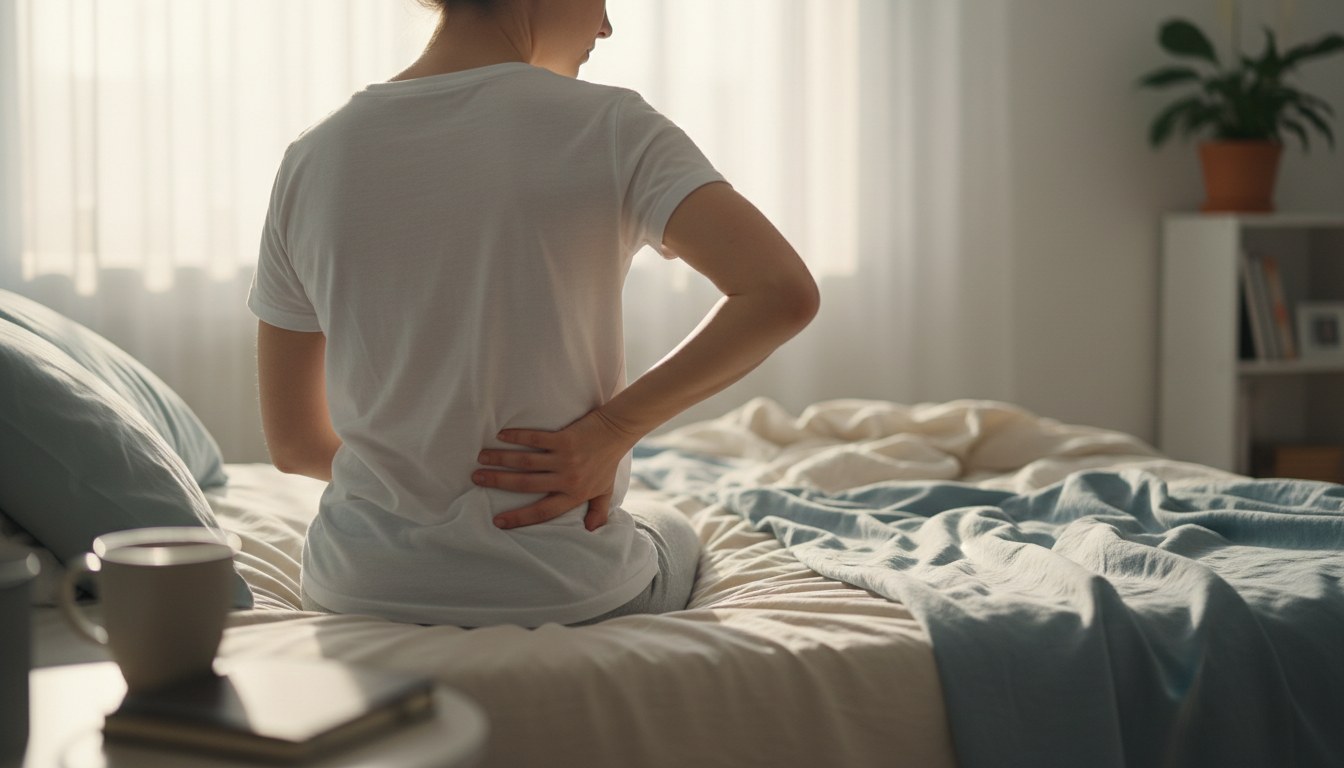
Chronic anxiety keeps muscles, especially in the neck, shoulders, jaw, and back, in a low-grade state of tension. Over time, this can cause tension headaches, jaw pain or teeth grinding, and a generalized feeling of soreness that has no clear physical cause.
Dizziness and Lightheadedness
Rapid or shallow breathing during anxious moments changes the balance of oxygen and carbon dioxide in the blood, which can cause dizziness, a floating sensation, or feeling faint. This is uncomfortable but usually not dangerous on its own.
Fatigue
Living in a repeated state of physical alertness is exhausting. Many people with anxiety describe feeling tired all the time, even after a full night's sleep, which may reflect the body spending energy on a stress response that often does not fully switch off.
Sleep Disturbances
Anxiety can make it hard to fall asleep, cause frequent waking, or lead to restless, unsatisfying sleep, which in turn worsens fatigue and can intensify anxiety the next day, creating a difficult cycle.
Shortness of Breath
A sensation of not being able to get a full breath, or a feeling of tightness around the chest and throat, is common with anxiety. As with chest pain, new or severe shortness of breath needs prompt medical evaluation rather than assumption.
Sweating and Hot or Cold Flashes
The stress response can cause sudden sweating, clammy hands, or waves of feeling hot or cold that come on with no change in the room temperature.
Trembling or Shaking
Fine trembling in the hands, or a general feeling of shakiness throughout the body, is a common physical marker of anxiety, related to increased muscle tension and adrenaline.
Numbness or Tingling
Some people notice tingling or numbness in the fingers, hands, or around the mouth during periods of high anxiety, often linked to changes in breathing pattern.
When to Seek Medical Care
Emergency, call 911 or go to the emergency room immediately for any of the following:
- Chest pain or pressure that is new, severe, spreading to the arm, neck, or jaw, or accompanied by sweating, nausea, or shortness of breath, this needs to be ruled out as a heart problem, it should never be assumed to be anxiety, especially the first time it happens or in anyone with heart disease risk factors
- Severe shortness of breath that does not improve with rest or slow breathing
- Fainting or loss of consciousness
- One-sided weakness, facial drooping, slurred speech, or a sudden severe headache, signs of a possible stroke
- Thoughts of harming yourself or others, call or text 988 (US) (Suicide & Crisis Lifeline) any time, or call 911 for immediate danger
See a doctor soon (not an emergency) for:
- Physical symptoms, chest tightness, stomach issues, fatigue, sleep problems, that are frequent or persistent and have no other clear explanation
- Symptoms that are affecting your work, relationships, or daily functioning
- Wanting to rule out other medical causes for physical symptoms before assuming they are anxiety-related
- Interest in exploring therapy or medication options for anxiety
You do not have to figure this out alone. If you are struggling emotionally, you can reach the 988 Suicide & Crisis Lifeline by call or text, free and confidential, 24/7.
What Helps
Because anxiety's physical symptoms come from a real physiological response, addressing the anxiety itself is usually the most effective way to relieve them. Evidence-based approaches include cognitive behavioral therapy (CBT), regular physical activity, paced breathing and relaxation techniques, adequate sleep, and, when appropriate, medication prescribed by a doctor or psychiatrist. A medical evaluation first is important, though, since many of these symptoms overlap with other conditions that need their own specific treatment.
Frequently Asked Questions
Can anxiety cause real physical pain?
Yes. Anxiety triggers real physiological changes, including muscle tension, altered digestion, and changes in blood flow, that produce genuine physical pain such as headaches, muscle aches, and stomach discomfort. The pain is not imagined, even though the root cause is the stress response rather than tissue damage.
Why does anxiety make my chest feel tight?
Anxiety activates the body's fight-or-flight response, which tenses the chest and shoulder muscles and can change breathing patterns, sometimes leading to shallow, rapid breathing. This combination often produces a tight or heavy sensation in the chest. Because chest tightness can also signal a heart problem, new or severe chest pain should always be evaluated rather than assumed to be anxiety.
Can anxiety cause stomach and digestive problems?
Yes. The gut and brain are closely connected through the nervous system, and anxiety can trigger nausea, stomach cramping, diarrhea, or a loss of appetite. Some people with chronic anxiety are also more prone to irritable bowel syndrome flare-ups.
Is it normal for anxiety to cause dizziness?
Yes, dizziness and lightheadedness are common anxiety symptoms, often related to rapid or shallow breathing changing blood carbon dioxide levels. However, dizziness has many other possible causes, including inner ear problems, dehydration, and cardiovascular issues, so persistent or severe dizziness should be evaluated by a doctor.
How do I know if my symptoms are anxiety or something else?
It is not always possible to tell from symptoms alone, which is exactly why new, severe, or persistent physical symptoms deserve a medical evaluation rather than a self-diagnosis of anxiety. A doctor can rule out other causes and, if anxiety is confirmed, connect you with effective treatment.
Sources
- National Institute of Mental Health (NIMH) - Anxiety Disorders
- MedlinePlus (National Library of Medicine, NIH) - Anxiety
- Mayo Clinic - Generalized anxiety disorder - Symptoms and causes
- American Psychiatric Association - What are Anxiety Disorders?
- CDC: 988 Suicide and Crisis Lifeline.