High Potassium (Hyperkalemia) Explained
Potassium is a mineral (electrolyte) that plays a critical role in heart and muscle function. Normal blood potassium levels are tightly regulated between 3.5 and 5.0 mEq/L.
Lab Tests & ResultsLab TestsInformational
Written By: DocAi Health Editorial Team
Last Updated: 2026-07-13
Last Updated: 2026-07-13
Medical Disclaimer: This article is for general informational and educational purposes only and is not medical advice. It does not create a doctor-patient relationship and is not a substitute for professional diagnosis or treatment by a qualified healthcare provider. Never disregard or delay seeking professional medical advice because of something you have read here. If you think you may have a medical emergency, call 911 or your local emergency number right away. Health information can change and this guidance is general and US-focused, so consult a licensed clinician in your own country about your specific situation.
Potassium is a mineral (electrolyte) that plays a critical role in heart and muscle function. Normal blood potassium levels are tightly regulated between 3.5 and 5.0 mEq/L. When potassium rises above 5.0 mEq/L, the condition is called hyperkalemia. Because potassium directly controls the electrical activity of the heart, even modest elevations can cause dangerous abnormal heart rhythms. Understanding what causes hyperkalemia and how severely it is elevated helps guide the urgency of evaluation and treatment.
Potassium Levels: What the Numbers Mean
- Normal: 3.5-5.0 mEq/L
- Mild hyperkalemia: 5.1-5.9 mEq/L, monitor; treat underlying cause
- Moderate hyperkalemia: 6.0-6.4 mEq/L, requires prompt evaluation and treatment
- Severe hyperkalemia: 6.5 mEq/L and above, medical emergency; risk of fatal cardiac arrhythmia
An important caveat: for a mild-to-moderate elevated result (5.1-6.4 mEq/L) without symptoms, the test should generally be repeated before acting on it, because "pseudohyperkalemia", falsely high potassium from a hemolyzed (broken) blood sample, is very common and can mimic true hyperkalemia. This repeat-testing step does not apply to severe results (6.5 mEq/L and above), see the emergency warning signs below.
Common Causes of High Potassium
1. Chronic Kidney Disease (CKD)
What it is: The kidneys are the primary organ responsible for excreting excess potassium. When kidney function is reduced, potassium accumulates in the blood.
Why it happens: As the glomerular filtration rate (eGFR) declines in CKD, the kidneys' capacity to excrete the daily potassium load from food and cell metabolism is progressively impaired.
Common symptoms: Hyperkalemia in CKD is often asymptomatic and discovered on routine monitoring. Advanced hyperkalemia causes muscle weakness, fatigue, and palpitations.
Risk factors: CKD from any cause, diabetes, hypertension, chronic kidney infection, polycystic kidney disease.
Next steps: Dietary potassium restriction (limiting high-potassium foods such as bananas, oranges, potatoes, tomatoes, avocados), medication review, and potassium-binding agents. Nephrology management for advanced CKD.
2. Medications
What it is: Several commonly prescribed medications impair the kidney's ability to excrete potassium, leading to accumulation.
Common culprits: ACE inhibitors (lisinopril, enalapril) and ARBs (losartan, valsartan), reduce aldosterone activity, which normally drives potassium excretion. Potassium-sparing diuretics (spironolactone, amiloride). NSAIDs (ibuprofen, naproxen), reduce kidney perfusion and aldosterone response. Trimethoprim (antibiotic), blocks renal potassium excretion. Heparin. Beta-blockers in combination with other agents.
Common symptoms: Elevated potassium in the context of using one or more of these medications, often without symptoms.
Next steps: Review medications with a provider; dose adjustment or substitution may be needed, especially in patients with CKD who are at higher baseline risk.
3. Adrenal Insufficiency (Low Aldosterone)
What it is: Aldosterone, a hormone produced by the adrenal glands, signals the kidneys to excrete potassium. When aldosterone is insufficient, potassium accumulates.
Why it happens: Adrenal insufficiency (Addison's disease) or hypoaldosteronism causes aldosterone deficiency, impairing potassium excretion. The combination of high potassium with low sodium and low blood pressure is characteristic.
Common symptoms: Fatigue, weakness, low blood pressure, low sodium (hyponatremia) alongside high potassium; can present as adrenal crisis in acute insufficiency, a medical emergency.
Risk factors: Autoimmune adrenal disease, prior adrenal infection or hemorrhage, stopping long-term corticosteroids abruptly.
Next steps: Suspected adrenal insufficiency warrants ACTH stimulation testing and cortisol measurement. Hormone replacement is the treatment.
4. Acute Kidney Injury (AKI)
What it is: Sudden kidney failure causes rapid potassium accumulation, one of the most dangerous aspects of AKI.
Why it happens: When the kidneys suddenly stop filtering normally, potassium from cell breakdown and dietary intake accumulates rapidly, particularly dangerous in rhabdomyolysis (muscle breakdown), which releases large amounts of intracellular potassium simultaneously.
Common symptoms: Rapidly rising potassium alongside rising creatinine; may have decreased or absent urine output; weakness; cardiac monitoring shows characteristic ECG changes.
Next steps: AKI with hyperkalemia is a medical emergency requiring urgent hospital evaluation and treatment.
5. Excessive Potassium Intake
What it is: Rarely, very high potassium intake, from diet or potassium supplements, can cause hyperkalemia, particularly in people with impaired renal excretion.
Why it happens: People with normal kidney function can generally handle a wide range of potassium intake without significant elevation. However, in those with reduced kidney function or on potassium-retaining medications, dietary excess can push potassium into the dangerous range.
Common examples: High-dose potassium supplements, salt substitutes (which are potassium chloride), very high-potassium diets in CKD patients.
Next steps: Review potassium intake and supplements with a provider, especially if kidney function is reduced.
When to Seek Medical Care
Emergency, call 911 or go to the emergency room immediately for any of the following. Do not wait for a repeat lab draw before seeking care, confirmatory retesting and an ECG are done in the ER alongside treatment, not before it:
- Any potassium result at or above 6.5 mEq/L, go to the ER now; you do not need a confirmed repeat result first
- Muscle weakness or paralysis (may indicate severe hyperkalemia)
- Palpitations, irregular heartbeat, or chest pain with a known high potassium result
- Fainting, loss of consciousness, or near-fainting in the setting of known hyperkalemia
- Shortness of breath at rest with a known high potassium result
See a doctor soon (non-emergency) for:
- A mild or moderate elevated potassium result (5.1-6.4 mEq/L) found on routine testing, with no symptoms above, contact your provider to arrange repeat testing and follow-up
- Mild, non-specific symptoms such as fatigue or tingling in the context of a known mild elevation
Frequently Asked Questions
Can a hemolyzed blood sample cause falsely high potassium?
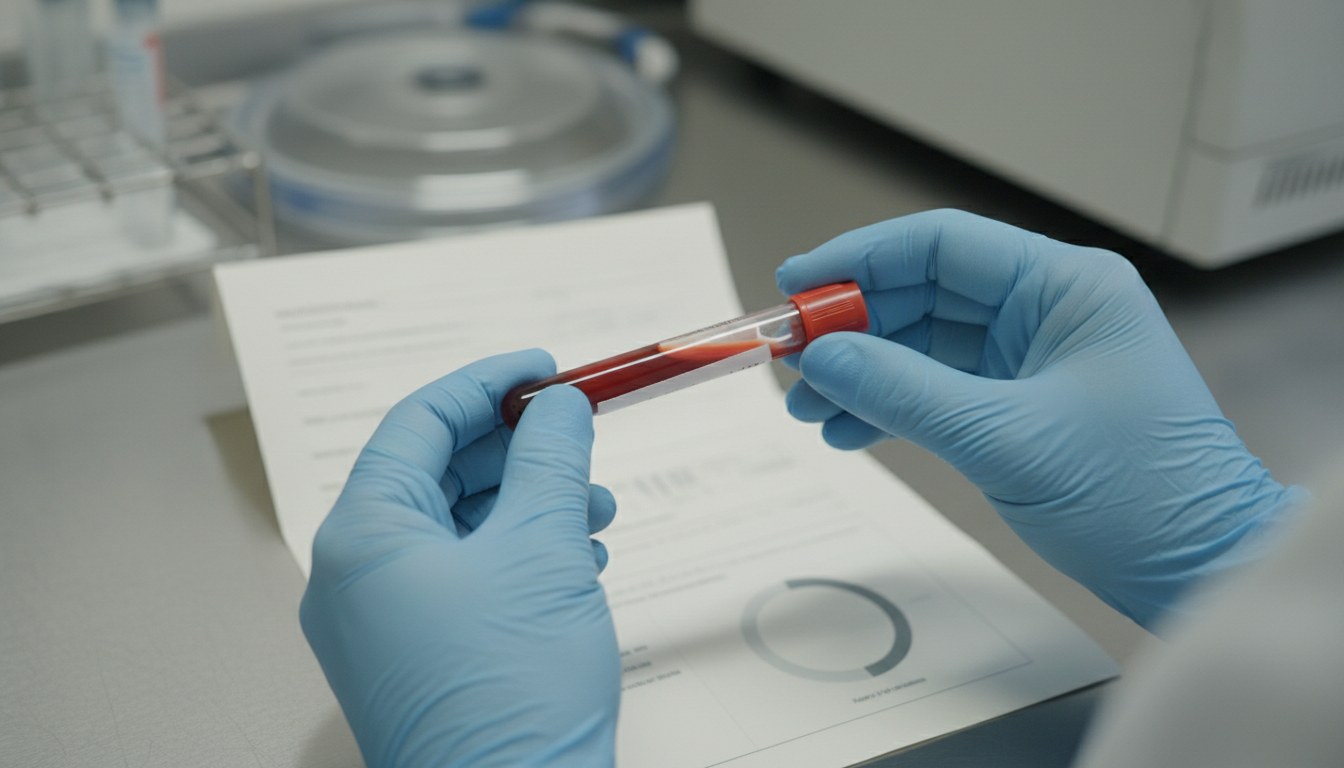
Yes, this is called pseudohyperkalemia and is very common. When red blood cells in the sample break (hemolyze) during blood draw, collection, or transport, the large amount of intracellular potassium in those cells leaks into the sample. A hemolyzed sample typically has a pinkish-red tint. The test should be repeated with a new, properly collected sample.
What does high potassium feel like?
Mild hyperkalemia often causes no symptoms. As potassium rises further, symptoms can include muscle weakness or fatigue, tingling sensations, nausea, and palpitations. Severe hyperkalemia can cause paralysis and life-threatening cardiac arrhythmias.
What foods are highest in potassium?
Foods highest in potassium include bananas, oranges, potatoes (especially with skin), tomatoes, avocados, spinach, beans and lentils, salmon, and milk. People with CKD are often advised to limit these foods to prevent hyperkalemia.
Can dehydration cause high potassium?
Severe dehydration can contribute to hyperkalemia by reducing urine output and kidney perfusion, which reduces potassium excretion. Rehydration typically helps normalize potassium in this context.
Is hyperkalemia the same as a potassium supplement overdose?
High-dose oral or intravenous potassium can cause hyperkalemia, particularly in people with impaired excretion. However, most hyperkalemia results from kidney disease or medications rather than supplement excess. Potassium supplements should only be taken under medical supervision in people with known kidney disease. If you suspect a potassium supplement or medication overdose, call Poison Control at 1-800-222-1222 (US) or go to the ER.
Sources
- National Institute of Diabetes and Digestive and Kidney Diseases (NIH) - Healthy Eating for Adults with Chronic Kidney Disease
- MedlinePlus (National Library of Medicine, NIH) - Potassium Blood Test
- Mayo Clinic - High potassium (hyperkalemia)
- American Heart Association - Electrolytes can give the body a charge, but try not to overdo it
- National Kidney Foundation - Potassium in Your CKD Diet