What Does an Elevated INR Mean If You're Taking Warfarin?
An elevated INR while you are taking warfarin means your blood is taking longer to clot than your target range allows, so you are more thinned than intended. 0, and bleeding risk rises the higher it climbs above that.
Lab Tests & ResultsCoagulation Monitoringmedication
Written By: DocAi Health Editorial Team
Last Updated: 2026-08-25
Medically Reviewed By: DocAi Health Medical Review Team
Last Updated: 2026-08-25
Medically Reviewed By: DocAi Health Medical Review Team
Medical Disclaimer: This article is for general informational and educational purposes only and is not medical advice. It does not create a doctor-patient relationship and is not a substitute for professional diagnosis or treatment by a qualified healthcare provider. Never disregard or delay seeking professional medical advice because of something you have read here. If you think you may have a medical emergency, call 911 or your local emergency number right away. Health information can change and this guidance is general and US-focused, so consult a licensed clinician in your own country about your specific situation.
An elevated INR while you are taking warfarin means your blood is taking longer to clot than your target range allows, so you are more thinned than intended. For most people the goal INR sits between 2.0 and 3.0, and bleeding risk rises the higher it climbs above that. Mild elevations often trace back to a missed dose, a new medication, illness, or a change in vitamin K intake, and your prescriber can usually correct them by holding or adjusting a dose. A markedly high INR, especially above 10, needs same-day contact with the clinic managing your anticoagulation, and any active bleeding at any INR level is an emergency. This article covers what pushes the number up and when it crosses from a phone call into a 911 situation.
What INR Actually Measures
INR stands for International Normalized Ratio, a standardized way of reporting how long your blood takes to clot compared to a person not on any blood thinner. A ratio of 1.0 is roughly what an average person without anticoagulation would show. Warfarin works by blocking the liver's use of vitamin K to make several clotting factors, so on warfarin your INR climbs above 1.0 on purpose. For most warfarin indications, atrial fibrillation, a prior blood clot, or a mechanical heart valve replacement, the target range is 2.0 to 3.0, though some mechanical valves call for a higher target closer to 2.5 to 3.5. Your prescriber sets your specific target based on why you take warfarin, and that number is what "elevated" gets measured against, not a generic cutoff.
How High Is Too High
Context matters more than the raw number. An INR of 3.5 in someone with a target of 2.0 to 3.0 is a mild overshoot that a clinic can often manage with a single skipped dose and a recheck in a few days. An INR between 4.5 and 10 without bleeding is usually handled by holding one or more warfarin doses and rechecking, sometimes with a small dose of oral vitamin K if the clinic wants a faster correction. An INR above 10, even with no bleeding visible, is treated as a higher-risk situation because the chance of a spontaneous bleed rises sharply at that level, and clinics typically want same-day evaluation rather than a wait-and-recheck approach. None of these ranges are something to interpret on your own; they are here so you understand why your clinic's response changes depending on the number, not so you can skip the call.
What Pushes an INR Up
A handful of things reliably raise INR in someone on a stable warfarin dose. New antibiotics, especially the fluoroquinolone and metronidazole classes, are common culprits because they interfere with how warfarin is cleared. Antifungal medications, some antidepressants, amiodarone, and even over-the-counter aspirin or NSAIDs can push the number up, either by affecting warfarin metabolism directly or by adding their own effect on clotting. A drop in vitamin K intake, from illness, reduced appetite, or cutting back on leafy greens, has the same effect as taking more warfarin, since there is less vitamin K for warfarin to compete against. Liver problems, heavy alcohol use, diarrhea, fever, and hypothyroidism can also raise INR by changing how your body processes the medication. Because so many common medications interact with warfarin, tell every prescriber and pharmacist you see that you take it, including for something as routine as a dental antibiotic.
Symptoms That Go With a High INR
A high INR by itself often causes no symptoms at all, which is exactly why routine blood draws exist for anyone on warfarin. When symptoms do show up, they reflect bleeding that is happening somewhere in the body: bruising that appears without a clear bump, gums that bleed with normal brushing, nosebleeds that take longer than usual to stop, blood in urine or stool, or unusually heavy menstrual bleeding. Small amounts of new bruising are common on warfarin and are not automatically an emergency, but a pattern of larger bruises, bleeding from more than one site, or any bleeding that will not stop with firm pressure after ten minutes is a signal to act rather than wait for your next scheduled check. The most dangerous bleeds on warfarin are the ones you cannot see happening: bleeding inside the skull after a fall or head bump, which can show up as a sudden severe headache, confusion, or weakness on one side; bleeding inside the digestive tract, which can show up as vomiting blood or coffee-ground material, or black and tarry stool; and bleeding into the lungs or airway, which can show up as coughing up blood. Each of those needs emergency care, not a wait-and-see approach, because internal bleeding on a blood thinner can progress quickly.
What Your Clinic Will Likely Do
Management depends entirely on the number and on whether you are bleeding, so the plan your clinic gives you may look different from what a friend on warfarin describes for their own situation. Mild elevation with no bleeding often means holding one dose and rechecking in a few days. Higher elevation, roughly 5 to 9, may add a small oral dose of vitamin K to speed the correction. An INR above 10 or any active bleeding usually means an in-person visit, and for serious bleeding a hospital can reverse warfarin faster using intravenous vitamin K along with clotting-factor products. None of this is something to dose or manage from home; the point of calling is to let a clinician match the response to your actual number and your actual symptoms.
Staying Ahead of It
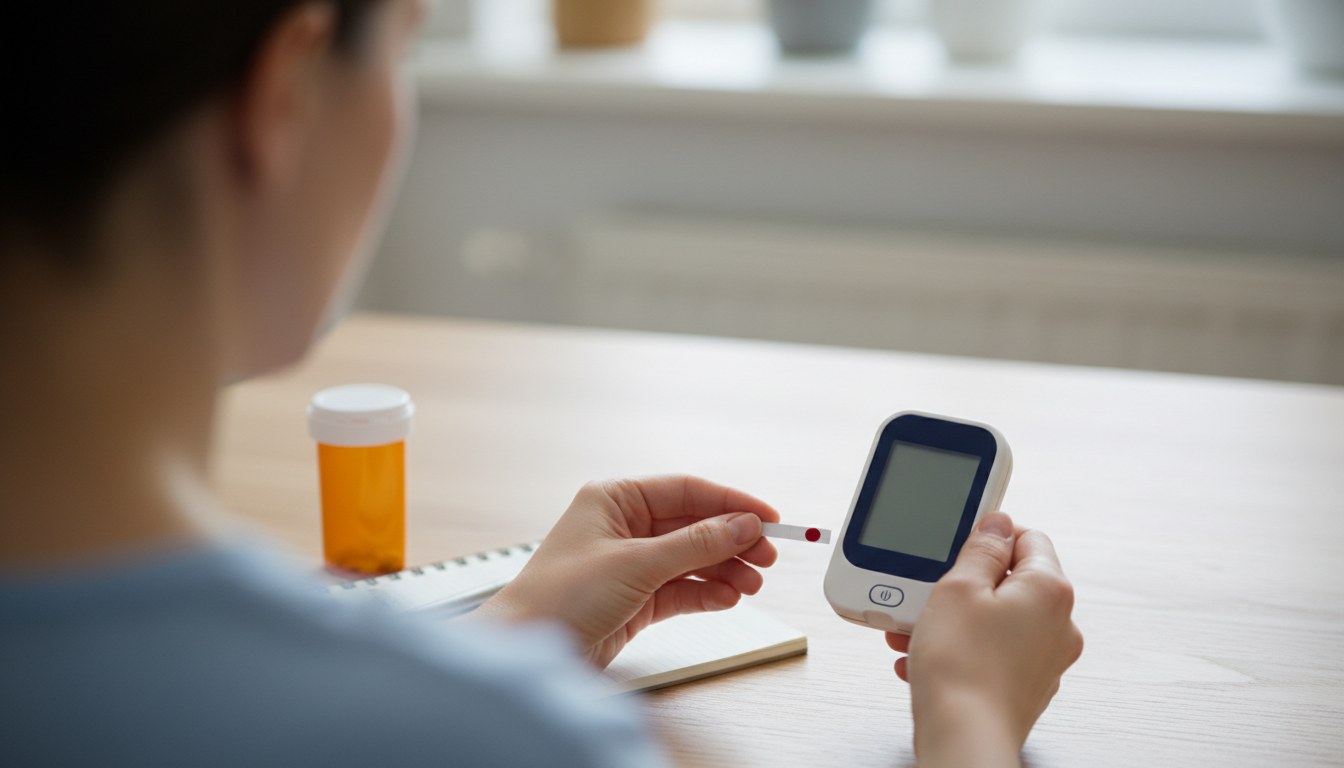
Consistency is what keeps INR in range: taking warfarin at the same time each day, keeping vitamin K intake roughly steady rather than swinging between none and a lot of leafy greens, and getting INR checked on the schedule your clinic sets, which is often more frequent right after a dose change and can stretch to every four weeks once you are stable. Keep a current list of every medication and supplement you take, including anything over the counter, and show it to any new prescriber. If you use a home INR monitor, follow your clinic's instructions for when a reading means you should call rather than simply log it and wait for your next visit.
When to Seek Medical Care
When to Seek Urgent or Emergency Care
An elevated INR raises bleeding risk, and the danger comes from where and how much you bleed, not from the lab number alone. Use the two lists below to decide how fast you need care. This guidance is in addition to, not a replacement for, the general disclaimer above.
Emergency, call 911 or go to the emergency room immediately if:
- You have a severe headache that came on suddenly, confusion, slurred speech, weakness on one side of the body, or trouble seeing, which can signal bleeding inside the brain
- You are vomiting blood or material that looks like coffee grounds, or passing black, tarry, or bright red stool
- You have a fall or blow to the head, even a minor one, while on warfarin, especially if you become drowsy or confused afterward
- Bleeding from a cut, nosebleed, or gums will not stop after 10 to 15 minutes of firm direct pressure
- You are coughing up blood or have chest pain with shortness of breath
- You have known or suspected INR above 10 along with any visible bleeding
See a doctor soon (same-day or next available appointment) if:
- Your INR result comes back above your target range, even without symptoms, so your clinic can adjust your dose
- You notice new bruising in multiple places, bruises larger than a couple of inches, or bruising without a known cause
- Your gums bleed with normal brushing or you have a nosebleed that is heavier or longer than usual for you
- You see blood in your urine or notice unusually heavy menstrual bleeding
- You started a new medication, antibiotic, or supplement, or had a significant change in appetite or illness, since your last INR check
Frequently Asked Questions
What INR number counts as elevated on warfarin?
It depends on your personal target range, which your prescriber sets based on why you take warfarin. Most people aim for 2.0 to 3.0, and a result above that range counts as elevated for them, though someone with a mechanical heart valve may have a higher target of 2.5 to 3.5. Always compare your result to the range your own clinic gave you, not a generic number.
Can a high INR make me feel sick even without visible bleeding?
Usually not. A high INR by itself often causes no symptoms, which is why routine blood testing exists for anyone on warfarin. If you do feel unwell, such as unusual fatigue, dizziness, or a headache, it is worth mentioning to your clinic along with the number, since it could reflect bleeding that is not yet visible.
What foods or drinks raise INR the most?
It is less about specific foods raising INR and more about sudden changes in vitamin K intake lowering it, or illness and reduced eating raising it. A sudden drop in leafy greens like kale or spinach, or several days of poor appetite during a stomach bug, can push INR up because there is less vitamin K available to counter warfarin's effect. Alcohol in larger amounts can also raise INR by affecting how your liver processes the medication.
Can I take ibuprofen or aspirin if my INR is high?
Avoid NSAIDs like ibuprofen while on warfarin unless your prescriber has specifically approved it, since NSAIDs add their own bleeding risk on top of warfarin's effect and can also raise INR. Aspirin is sometimes prescribed alongside warfarin for specific heart or vascular conditions, but that combination is a deliberate medical decision, not something to start on your own, especially with an elevated INR.
How fast does a high INR come back down after a dose is held?
It varies by how high the number is and by individual metabolism, but many mild to moderate elevations start correcting within two to four days of holding a dose, since warfarin has a relatively long half-life in the body. Your clinic will typically recheck your INR within a few days to confirm it is trending back toward your target rather than assuming it based on time alone.
Is a home INR monitor accurate enough to trust?
Home INR monitors approved for patient self-testing are generally reliable when used correctly and calibrated as directed, and many clinics support their use for stable patients checking between formal visits. Follow your clinic's specific instructions for which readings to act on yourself versus which ones require an immediate call, since the threshold for concern is set by your own management plan.
Does an elevated INR mean my warfarin dose is permanently too high?
Not necessarily. A single elevated reading is often caused by a temporary factor such as a new medication, an illness, or a change in diet, and correcting for that factor may bring the next reading back into range without a permanent dose change. Your clinic looks at the pattern over several checks before deciding whether your baseline dose itself needs adjusting.
What should I do if I forget a warfarin dose and then get a high INR reading?
Do not double up on a missed dose without checking with your clinic first, since taking extra warfarin to make up for a missed dose is a common way INR climbs too high. If you already have a high reading and recently missed then doubled a dose, tell your clinic exactly what happened so they can factor it into their recommendation.
Related articles
What Does a Slightly Elevated PSA Level Mean?High White Blood Cell Count: What It Can MeanElevated Liver Enzymes: ALT and AST ExplainedSources
- MedlinePlus (NIH) - Warfarin
- MedlinePlus (NIH) - Prothrombin Time Test
- MedlinePlus Medical Encyclopedia (NIH) - Warfarin overdose
- American Heart Association - Warfarin (Coumadin)
- Mayo Clinic - Warfarin side effects: Watch for interactions