Signs of a Urinary Tract Infection in Young Children
A urinary tract infection in a young child rarely announces itself the way it does in an adult.
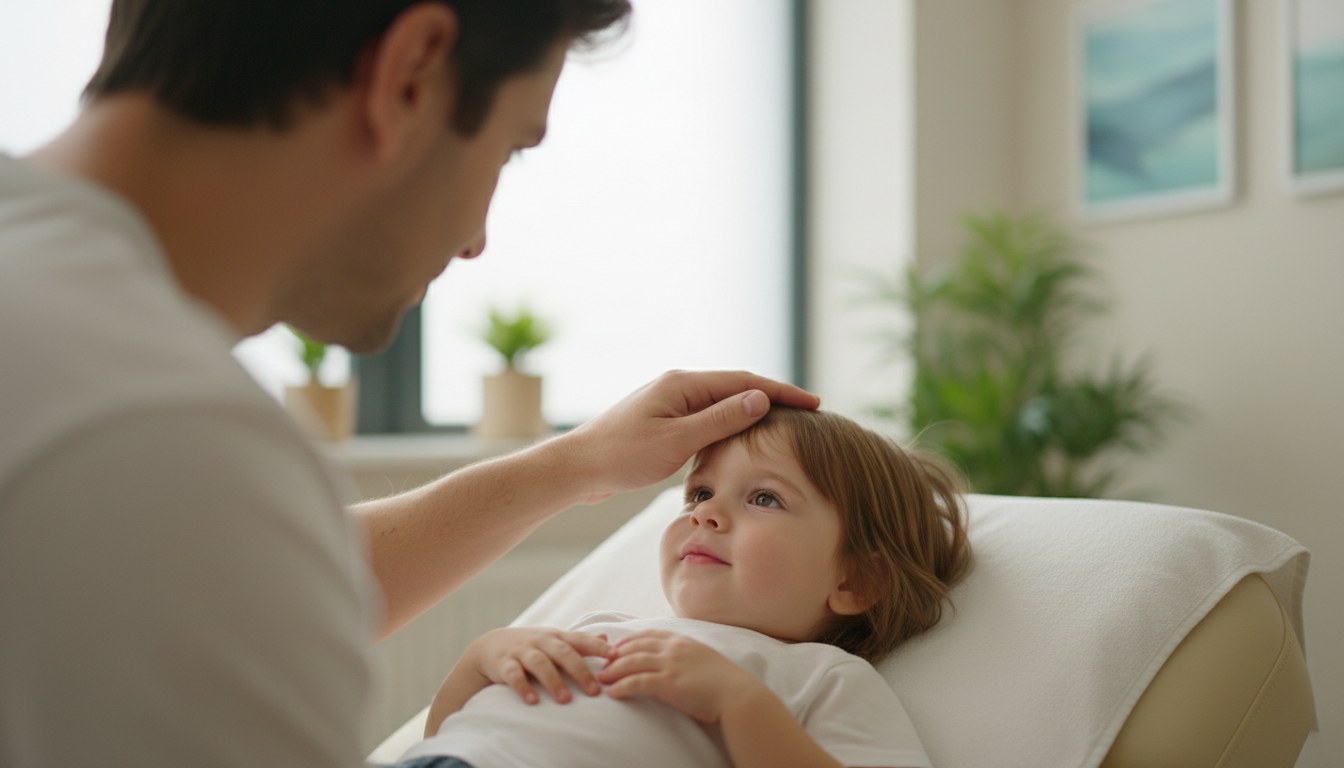
Children's HealthPediatric UTIsymptom-check
Written By: DocAi Health Editorial Team
Last Updated: 2026-08-25
Medically Reviewed By: DocAi Health Medical Review Team
Last Updated: 2026-08-25
Medically Reviewed By: DocAi Health Medical Review Team
Medical Disclaimer: This article is for general informational and educational purposes only and is not medical advice. It does not create a doctor-patient relationship and is not a substitute for professional diagnosis or treatment by a qualified healthcare provider. Never disregard or delay seeking professional medical advice because of something you have read here. If you think you may have a medical emergency, call 911 or your local emergency number right away. Health information can change and this guidance is general and US-focused, so consult a licensed clinician in your own country about your specific situation.
A urinary tract infection in a young child rarely announces itself the way it does in an adult. Instead of a clear complaint of burning, you are more likely to see a cranky baby who will not stop crying, a toddler with a new fever and no runny nose, or a potty-trained child who suddenly starts having accidents again. UTIs are common in children, and most clear up quickly with the right antibiotic once they are caught. This article walks through what a UTI actually looks like at different ages, why young kids are more prone to them, how doctors confirm the diagnosis, and the signs that mean an infection has moved past the bladder and needs urgent attention.
How a UTI Shows Up in Infants and Toddlers
In babies under two, a urinary tract infection often looks like nothing more than "the baby is not acting right." Fever is usually the leading sign, sometimes the only one, and it can appear without any cough, congestion, or rash to explain it. A baby with a UTI may feed poorly, vomit, seem unusually sleepy or unusually irritable, or simply not settle no matter what you try. Some infants develop a low body temperature instead of a fever, which is its own warning sign in a baby this young. Because babies cannot describe pain, a fever with no obvious source is one of the most common reasons pediatricians order a urine test in the first place.
Toddlers add a few more clues you can actually watch for. You might notice a strong or foul smell to the urine, urine that looks cloudy or pink-tinged, or a child who cries or arches away when urinating. Some toddlers start going to the bathroom far more often than usual, in small amounts each time. Belly pain is common at this age too, though a toddler will usually just point at their stomach or their side rather than describe it. Abdominal tenderness, especially when you press gently just above the pubic bone, is something a pediatrician will check during the exam.
Signs in School-Age Children
Once a child is old enough to describe symptoms, a UTI starts to look more like the version adults recognize: pain or burning with urination, a frequent urge to go even when little urine comes out, cloudy or strong-smelling urine, and sometimes blood visible in the toilet bowl. Lower belly or lower back pain is common. Bedwetting or daytime accidents in a child who has been reliably dry for months is a signal worth taking seriously, particularly if it shows up alongside any of the urinary symptoms above rather than as an isolated one-off. Fever can still be part of the picture at this age, especially if the infection has reached the kidneys rather than staying in the bladder, and a school-age child with fever plus flank or back pain is describing a different, more serious problem than simple bladder discomfort. That distinction matters for how quickly the infection needs treatment, which is covered in the emergency guidance below.
Why Young Children Are More Vulnerable
Bacteria, most often a strain of E. coli that normally lives in the gut, reach the urinary tract by traveling up the urethra from the skin around it. Several things make this easier in young children. Girls have a shorter urethra than boys, which shortens the distance bacteria have to travel and is a major reason UTIs are more common in girls after infancy. Uncircumcised boys under one year have a higher rate of UTIs than circumcised boys of the same age, largely related to bacteria collecting under the foreskin. Constipation is an underrecognized contributor at any age: a full bowel can press on the bladder and interfere with complete emptying, giving bacteria more opportunity to take hold. Holding urine for long stretches, wiping back to front after a bowel movement, and bubble baths or scented soaps that irritate the urethral opening all raise the odds as well. A minority of children who get repeat infections have an underlying structural issue, such as urine flowing backward from the bladder toward the kidneys, which is one reason a doctor may recommend imaging after a first infection in an infant or after more than one infection in an older child.
Bladder Infection or Kidney Infection: Why the Difference Matters
Not every UTI is the same severity, and the distinction shapes how urgently it needs care. A bladder infection, sometimes called cystitis, stays in the lower urinary tract and typically causes pain with urination, frequent trips to the bathroom, and cloudy or strong-smelling urine, without making a child look particularly sick otherwise. A kidney infection, known as pyelonephritis, means the bacteria have traveled up from the bladder to one or both kidneys, and it looks and feels different: high fever, shaking chills, pain in the back or side just below the ribs, and a child who seems noticeably unwell rather than just uncomfortable. Vomiting is more common with a kidney infection than a simple bladder infection. This is the distinction behind the 911 guidance above: fever with severe flank pain and repeated vomiting is not a symptom to manage at home, because an untreated kidney infection can lead to scarring or, in a young infant, to bacteria entering the bloodstream. A pediatrician who suspects a kidney infection will usually treat more aggressively from the start and may want the child seen and started on antibiotics the same day rather than waiting on a full culture result.
Getting a Diagnosis: What the Urine Test Involves
A UTI cannot be confirmed by symptoms alone, since fever without a clear source has many possible causes in a young child. Diagnosis requires a urine sample that has not been contaminated by skin bacteria on the way out, which is why collection method matters so much in this age group. A toilet-trained child can usually provide a clean-catch sample after the area is wiped with a cleansing pad. For a child still in diapers, a bag placed over the area can screen for infection, but a positive bag sample is not reliable enough on its own to start treatment; if it looks concerning, the clinic will usually confirm it with a sample collected by a thin catheter or, less often, a needle inserted directly into the bladder. This step can feel alarming to watch, but it is quick and it is the only way to know for certain whether the bacteria came from the bladder rather than the skin. The sample is checked under a microscope for white blood cells and bacteria, and it is also sent for a culture, which takes one to three days to identify the exact bacteria and which antibiotic will work against it.
Treatment: What to Expect
Most childhood UTIs that stay in the bladder are treated with an oral antibiotic prescribed by the pediatrician, and improvement typically starts within a day or two. The exact drug, dose, and length of treatment depend on the child's age, weight, kidney function, and the specific bacteria found on culture, so this is always calculated and prescribed by the treating clinician rather than something to work out at home. Give every dose on the schedule written on the label, finish the full course even after your child feels better, and call the office if a fever has not started coming down within 48 to 72 hours of starting the medication, since that can mean the bacteria are resistant to the chosen drug or the infection has spread to the kidneys. A child who cannot keep oral medication down, who is under two to three months old, or who shows signs of a kidney infection or dehydration may need IV antibiotics in the hospital instead. After a first UTI in an infant, or after repeat infections at any age, the pediatrician may order an ultrasound of the kidneys and bladder to look for a structural cause.
Preventing Repeat Infections
Some children are simply more prone to UTIs than others, but a handful of habits lower the risk for most kids. Encourage regular bathroom trips rather than holding urine for hours, and make sure your child is drinking enough water through the day. Wiping front to back after using the toilet matters for girls in particular. Treating constipation is one of the more overlooked prevention steps, since a chronically full bowel makes bladder emptying less complete. Loose cotton underwear, avoiding bubble baths and heavily scented soaps in the genital area, and changing out of a wet swimsuit promptly can also help. If your child has had two or more UTIs, bring this pattern up with the pediatrician directly, since a workup for an underlying cause is reasonable at that point rather than something to wait on.
For a small number of children, prevention involves more than daily habits. If imaging shows urine flowing backward from the bladder toward the kidneys, a condition called vesicoureteral reflux, a pediatric urologist may discuss options ranging from watchful waiting, since many mild cases improve as a child grows, to a daily low-dose preventive antibiotic, to a surgical correction in more significant cases. These decisions are individualized and depend on the grade of reflux, the child's age, and how often infections are recurring, which is why a referral to a specialist rather than a general prevention plan is the right next step once that diagnosis is on the table. Keep a simple written record of each confirmed UTI, including the date and which bacteria the culture identified, since a pattern of the same organism showing resistance to a particular antibiotic is useful information for whichever clinician sees your child next.
When to Seek Medical Care
When to Seek Urgent or Emergency Care
Most childhood UTIs are uncomfortable but not dangerous once treatment starts. The risk comes from a bladder infection spreading to the kidneys or bloodstream, and from very young infants who cannot show you how sick they actually are. This guidance is in addition to, not a replacement for, the general disclaimer above.
Emergency, call 911 or go to the emergency room immediately if:
- Your baby is younger than 2 to 3 months old and has any fever, since infection can spread quickly at this age and needs same-hour evaluation.
- Your child is extremely difficult to wake, limp, or does not respond normally to you.
- Your child has a high fever along with shaking chills, severe back or flank pain, and repeated vomiting, which can signal a kidney infection reaching the bloodstream.
- You see signs of significant dehydration: no wet diaper or urination for 8 or more hours, sunken eyes, no tears when crying, or a dry mouth combined with lethargy.
- Your child has a seizure, or skin that looks mottled, gray, or unusually pale.
- Your child develops a fast heart rate, fast breathing, or looks like they are working hard to breathe alongside the fever.
See a doctor soon (same-day or next available appointment) if:
- Your child has a new fever with no other explanation, especially if it is unusually fussy or feeding poorly, and is under 2 years old.
- Your toddler or older child cries or shows discomfort while urinating, or urinates far more often than usual.
- Urine looks cloudy, pink, or blood-tinged, or has a strong or foul smell.
- Your school-age child complains of pain in the belly, lower back, or side.
- A previously dry, potty-trained child starts having daytime accidents or wetting the bed again, especially alongside any urinary symptoms above.
- Fever has not improved after 48 to 72 hours of antibiotics your child is already taking for a diagnosed UTI.
Frequently Asked Questions
Can a baby have a UTI without a fever?
Yes, though it is less common. Some infants show poor feeding, vomiting, unusual sleepiness, or a low body temperature instead of a fever. Any unexplained change in a young baby's behavior is worth a call to the pediatrician, even without fever.
How can I tell a UTI apart from a regular fever or virus?
A viral illness usually comes with other clues such as cough, congestion, or a rash. A UTI often shows up as fever with no obvious source, sometimes paired with unusual urination habits or belly pain in an older child. A urine test is the only way to know for certain.
Do girls get UTIs more often than boys?
After the first year of life, yes. Girls have a shorter urethra, which gives bacteria a shorter path into the bladder. In the first year, uncircumcised boys have a higher rate than girls, largely tied to bacteria collecting under the foreskin.
How is a UTI diagnosed in a child who is still in diapers?
A clean urine sample is needed to confirm the diagnosis. A bag placed over the area can screen for infection, but a positive result from a bag sample is not reliable enough alone, so clinics often confirm it with a sample collected by a thin catheter.
How long does it take for antibiotics to work on a child's UTI?
Most children start feeling better within one to two days of starting the prescribed antibiotic. Call the pediatrician if a fever has not started coming down within 48 to 72 hours, since that can mean the bacteria need a different medication.
Can constipation cause a UTI in children?
It can contribute. A bowel that stays full presses on the bladder and can prevent it from emptying completely, which gives bacteria more chance to grow. Treating chronic constipation is a routine part of preventing repeat UTIs in kids.
Does my child need an ultrasound after a UTI?
Not always. Pediatricians often order a kidney and bladder ultrasound after a first UTI in an infant, or after a child has had more than one confirmed infection, to check for a structural cause such as urine flowing backward toward the kidneys.
Can cranberry juice or extra water prevent UTIs in kids?
Staying well hydrated and urinating regularly can help lower the risk in general, but cranberry products have not been shown to reliably prevent childhood UTIs. Do not rely on cranberry juice in place of medical evaluation once symptoms appear.
Related articles
Signs of an Ear Infection in a ToddlerSigns of Anxiety in Children Parents Often MissFever in Children: Causes, When to Worry, and When to WaitSources
- MedlinePlus (NIH) - Urinary tract infection - children
- NIDDK (NIH) - Urinary Tract Infections (UTIs) in Children
- Mayo Clinic - Urinary tract infection (UTI): Symptoms and causes
- Urology Care Foundation - Urinary Tract Infections in Children
- National Kidney Foundation - Urinary Tract Infections