What Does a High ESR (Sed Rate) Result Mean?
A high erythrocyte sedimentation rate, or sed rate, means your red blood cells are settling to the bottom of a test tube faster than expected, which usually signals inflammation somewhere in the body. It is not a diagnosis by itself.
Lab Tests & ResultsInflammatory Markersymptom-check
Written By: DocAi Health Editorial Team
Last Updated: 2026-08-26
Medically Reviewed By: DocAi Health Medical Review Team
Last Updated: 2026-08-26
Medically Reviewed By: DocAi Health Medical Review Team
Medical Disclaimer: This article is for general informational and educational purposes only and is not medical advice. It does not create a doctor-patient relationship and is not a substitute for professional diagnosis or treatment by a qualified healthcare provider. Never disregard or delay seeking professional medical advice because of something you have read here. If you think you may have a medical emergency, call 911 or your local emergency number right away. Health information can change and this guidance is general and US-focused, so consult a licensed clinician in your own country about your specific situation.
A high erythrocyte sedimentation rate, or sed rate, means your red blood cells are settling to the bottom of a test tube faster than expected, which usually signals inflammation somewhere in the body. It is not a diagnosis by itself. ESR can rise with infections, autoimmune conditions, certain cancers, pregnancy, or simply getting older, and it stays a nonspecific marker that only makes sense next to your symptoms, exam findings, and other lab work. This article walks through what ESR numbers mean, what commonly pushes the result up, and which situations call for prompt medical attention rather than a wait-and-see approach.
What the ESR Test Actually Measures
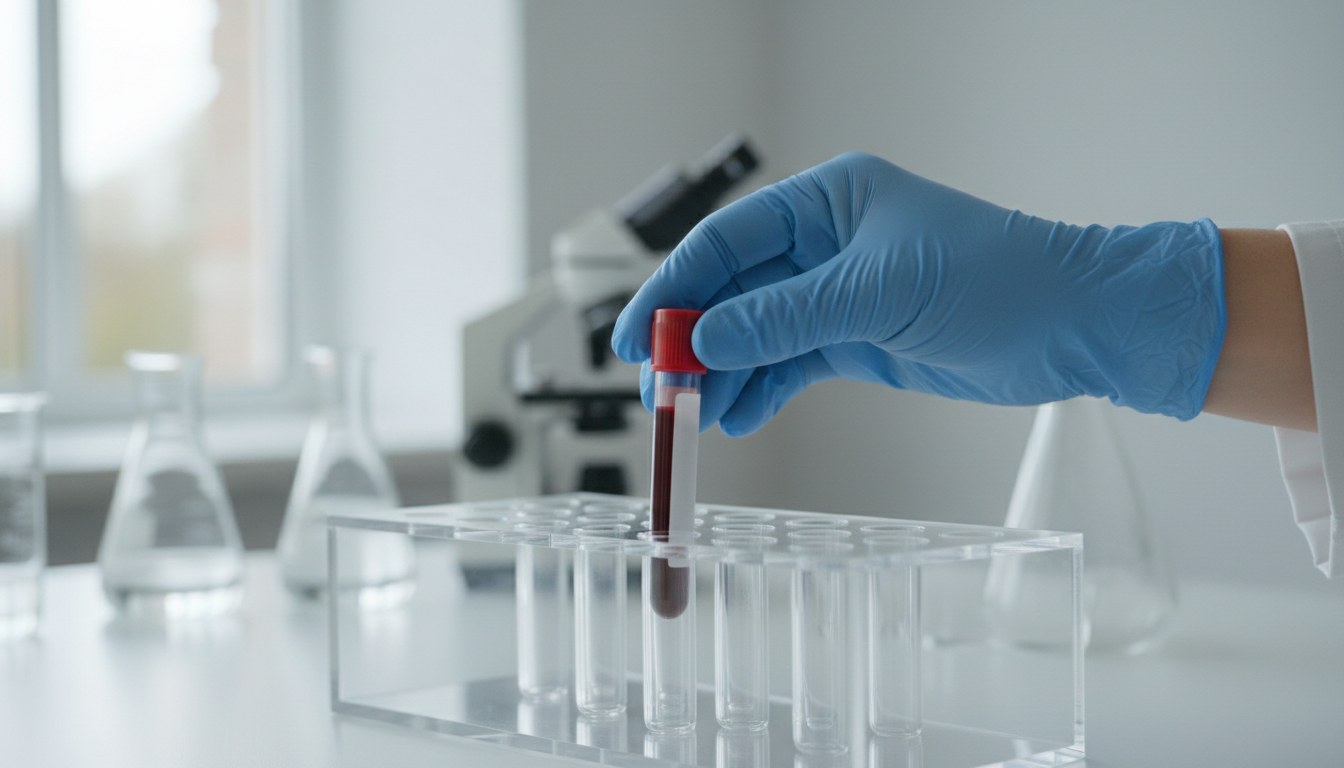
The sed rate test is mechanically simple. A lab technician places a sample of your blood in a thin, vertical tube and measures how far the red blood cells fall over one hour, reported in millimeters per hour (mm/hr). Under normal conditions, red blood cells repel each other slightly and settle slowly. When inflammation is present, your liver produces more fibrinogen and other proteins that coat red blood cells and make them stick together into stacks, a pattern called rouleaux formation. Clumped cells are heavier for their surface area, so they sink faster, and the number on your lab report goes up.
ESR does not measure inflammation directly. It measures a downstream physical effect of the proteins your body releases in response to inflammation, infection, tissue injury, or certain cancers. That is why the test is useful as a general screening tool but poor as a way to pinpoint what is actually going on.
What Counts as a High ESR Result
Reference ranges vary slightly by lab, but as a general guide, adults under 50 typically fall between 0 and 15 mm/hr for men and 0 and 20 mm/hr for women. After age 50, normal ranges shift higher, often up to about 20 mm/hr for men and 30 mm/hr for women, since ESR tends to climb gradually with age even without disease. Pregnancy also raises ESR on its own, sometimes into the 40s or higher during later trimesters, without indicating a problem.
The degree of elevation matters. A result modestly above your lab's reference range, in the 20 to 40 mm/hr range, often reflects a mild or self-limited process, a recent infection, or a nonspecific finding that needs monitoring rather than immediate workup. A markedly high result, above 100 mm/hr, is far more likely to reflect a significant underlying cause and typically prompts a more thorough evaluation from your doctor.
Common Causes of a High ESR
Because ESR reacts to almost any process that triggers inflammation, the list of possible causes is long. The most frequent categories include:
Infections. Bacterial infections, particularly ones that linger or involve bone, heart valves, or an abscess, tend to raise ESR more than short viral illnesses. Bone infection (osteomyelitis), infective endocarditis, and tuberculosis are classic examples associated with sustained elevation.
Autoimmune and inflammatory diseases. Conditions where the immune system attacks the body's own tissue, including rheumatoid arthritis, lupus, and various forms of vasculitis, commonly produce high or persistently elevated ESR results.
Giant cell arteritis and polymyalgia rheumatica. These two related conditions, which mainly affect adults over 50, are notable for producing some of the highest ESR values seen in clinical practice, often well above 50 mm/hr. Giant cell arteritis involves inflammation of arteries in the head and can threaten vision if untreated, which is why the pattern described in the emergency section below matters.
Cancer. Certain blood cancers, including some lymphomas and multiple myeloma, can raise ESR substantially, sometimes as one of the first abnormal findings before other symptoms are obvious.
Kidney disease and anemia. Reduced kidney function and low red blood cell counts can each independently push ESR upward, separate from any inflammatory process.
Non-disease factors. Pregnancy, menstruation, obesity, and normal aging can all raise ESR modestly without any underlying illness.
What a High ESR Does Not Tell You
This is the part that trips people up when they see the number on a portal before talking to a doctor. ESR does not identify where in the body the inflammation is happening, and it does not distinguish between an infection, an autoimmune disease, and a cancer. Two people with identical ESR results of 60 mm/hr could have completely different underlying conditions, from a healing surgical wound to an undiagnosed autoimmune disease.
ESR can also be normal even when a disease is active. Some people with confirmed autoimmune conditions or infections have a sed rate within the normal range, which is why doctors treat a normal ESR as reassuring but not conclusive, and a high ESR as a prompt to look further rather than a verdict.
How Doctors Follow Up on a High ESR
An isolated high ESR, with no symptoms and no other abnormal findings, is often rechecked after a period of time or paired with a C-reactive protein (CRP) test, which responds faster to inflammation and can help confirm the pattern. If your ESR is high alongside specific symptoms, your doctor will usually direct testing toward what your history and exam suggest, rather than chasing every possible cause at once.
That workup can include a complete blood count to check for anemia or signs of infection, urinalysis, imaging if a specific organ system is implicated, blood cultures if infection is suspected, or autoimmune-focused tests such as antinuclear antibody (ANA) or rheumatoid factor. If giant cell arteritis is suspected based on symptoms like new headache, jaw pain with chewing, or vision changes in someone over 50, a temporal artery biopsy or targeted imaging may be ordered urgently, since starting treatment quickly can prevent permanent vision loss.
Factors That Can Skew the Result
A few conditions push ESR in unexpected directions independent of inflammation. Anemia falsely raises ESR because fewer red blood cells per volume of plasma settle differently. On the other end, conditions that increase red blood cell number or change their shape, such as polycythemia, sickle cell disease, or very high white blood cell counts, can artificially lower ESR even when inflammation is present. Technical issues in the lab, including a tilted collection tube, a delayed test, or an unusually cold sample, can also shift the result slightly. If a result looks inconsistent with how you feel, it is reasonable to ask whether it should be repeated.
Living With a High ESR While You Wait for Answers
A single elevated sed rate rarely requires emergency action on its own. The more useful approach is to track what else is going on with your body: new pain, fever, weight change, fatigue, or anything that persists or worsens. Keep your follow-up appointments even if you feel fine, since some of the conditions linked to a high ESR develop gradually and are easier to manage the earlier they are identified. If new symptoms appear before your next visit, especially the ones described in the emergency section below, do not wait for a scheduled appointment.
When to Seek Medical Care
When to Seek Urgent or Emergency Care
A high ESR result by itself is not an emergency, but some of the conditions that cause it can become one quickly, especially in adults over 50, where a very high sed rate can signal giant cell arteritis threatening your eyesight. This guidance is in addition to, not a replacement for, the general disclaimer above.
Emergency, call 911 or go to the emergency room immediately if:
- You have sudden vision loss, double vision, or a curtain or shadow coming down over one eye, especially if you are over 50, since this can mean giant cell arteritis is cutting off blood flow to the eye
- You have a new, severe headache along with jaw pain that worsens when chewing and tenderness on your scalp, especially if you are over 50, which is a pattern that can cause permanent blindness within days if untreated
- You have a fever of 103°F (39.4°C) or higher along with confusion, a racing heart, or trouble staying awake, which can signal a severe infection
- You have sudden chest pain, shortness of breath, or you are coughing up blood, which can indicate a blood clot in the lungs
- One leg becomes suddenly swollen, red, warm, and painful, which can indicate a blood clot in a deep vein
- You have severe abdominal pain with fever and vomiting that will not stop
See a doctor soon (same-day or next available appointment) if:
- Your ESR is significantly above the normal range on repeat testing and no clear explanation has been found
- You have new joint pain, stiffness, or swelling lasting more than a few weeks, especially if it affects both hands or both knees
- You are losing weight without trying, or you have fevers and night sweats that come and go over several weeks
- You have ongoing fatigue along with a high ESR and no infection has been identified
- You have new aching and stiffness in your shoulders or hips, especially in the morning, and you are over 50, which can point to polymyalgia rheumatica
- Your bloodwork shows unexplained anemia alongside the elevated ESR
Frequently Asked Questions
Can a high ESR mean nothing serious at all?
Yes. Mild elevation can come from pregnancy, menstruation, obesity, a recent minor infection, or normal aging, especially after 50. Doctors weigh the number against your symptoms and history rather than treating any single elevated result as proof of disease. A modestly high ESR with no symptoms is often simply rechecked later.
Is a high ESR the same as having inflammation?
Not exactly. ESR measures how fast red blood cells settle, which changes when inflammation-related proteins are present in your blood, but it is an indirect physical effect rather than a direct measurement of inflammation. Other conditions like anemia can also raise ESR without any active inflammatory process happening in your body.
How high does ESR need to be before it is concerning?
There is no single cutoff that applies to everyone, since normal ranges shift with age and sex. As a general pattern, results only modestly above your lab's reference range are less concerning than results above 100 mm/hr, which are more often linked to a significant underlying cause and typically prompt further testing.
What is the difference between ESR and CRP?
Both are inflammation markers, but CRP rises and falls faster, often within hours, while ESR changes more slowly, over days. Doctors sometimes order both together because they can behave differently depending on the condition, and having both results gives a clearer picture than either test alone.
Can stress or lack of sleep raise my ESR?
Ordinary stress or a poor night of sleep is not a well-established cause of a meaningfully elevated ESR. If your result is high, it is more useful to think about recent infections, chronic symptoms, or new physical changes rather than everyday stress, and to discuss the pattern with your doctor.
Should I repeat the ESR test if the result was unexpectedly high?
Often yes, particularly if you have no symptoms to explain it. Repeating the test after a few weeks can show whether the elevation was temporary, related to a passing infection, or something to investigate further. Your doctor may pair a repeat ESR with a CRP test for a clearer picture.
Does a high ESR mean I have cancer?
No. A high ESR can occur with certain cancers, including some lymphomas and multiple myeloma, but far more often it reflects an infection, an autoimmune condition, or a benign cause like pregnancy or aging. Cancer is one possibility your doctor considers, not the default explanation for an elevated result.
Why did my doctor order an ESR test if I already feel fine?
ESR is sometimes used as a general screening tool when a doctor suspects an underlying inflammatory process that has not yet caused obvious symptoms, or to track a known condition over time. A result on a routine panel does not necessarily mean your doctor expected it to be abnormal.
Related articles
What Does a High TSH With Normal T4 Result Mean?What Does a High Triglyceride Result on a Blood Test Mean?What Does a High MCV (Large Red Blood Cells) Result Mean?Sources
- MedlinePlus (NIH) - Erythrocyte Sedimentation Rate (ESR)
- Mayo Clinic - Sed Rate (Erythrocyte Sedimentation Rate)
- National Institute of Arthritis and Musculoskeletal and Skin Diseases (NIH) - Giant Cell Arteritis
- MedlinePlus (NIH) - Polymyalgia rheumatica
- MedlinePlus (NIH) - Sed rate