Iron Studies Explained: Transferrin Saturation and TIBC
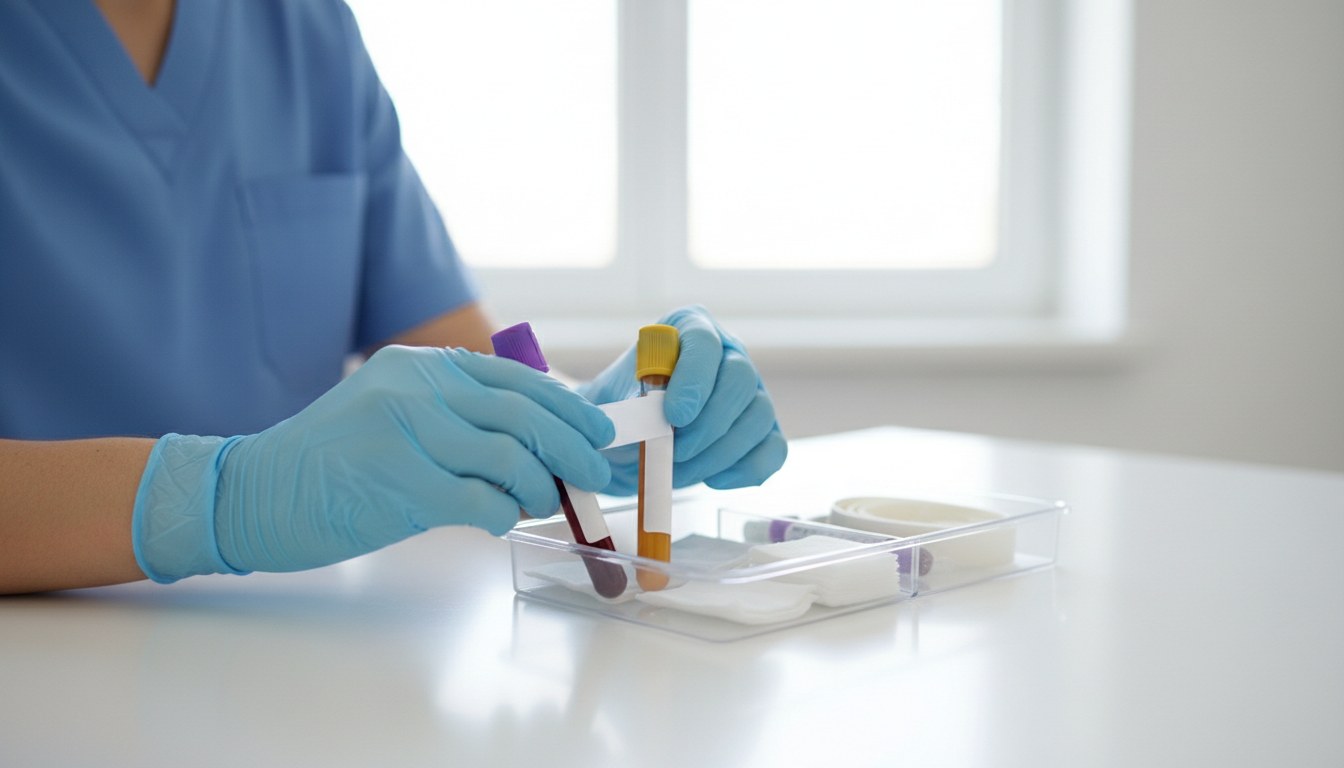
Iron studies are a group of blood tests that show how much iron is circulating, how much carrying capacity your blood has (total iron-binding capacity, or TIBC), and what share of that capacity is filled (transferrin saturation).
Written By: DocAi Health Editorial Team
Last Updated: 2026-09-22
Iron studies are a group of blood tests that show how much iron is circulating, how much carrying capacity your blood has (total iron-binding capacity, or TIBC), and what share of that capacity is filled (transferrin saturation). A low saturation with a high TIBC is often associated with iron deficiency, while a high saturation can be associated with iron overload. This article explains each number, common patterns, what can distort results, and which symptoms need urgent care.
What iron studies measure
Iron studies, sometimes called an iron panel, usually combine several measurements taken from one blood sample. Clinicians combine them with a blood count and your symptoms, because no single number settles the question. MedlinePlus (NIH) describes blood count tests as the usual starting point when anemia is suspected, and iron studies often follow when the count suggests small or pale red cells.
- Serum iron: the iron traveling in your bloodstream at the moment of the draw.
- TIBC (total iron-binding capacity): an indirect measure of how much iron your blood could carry. It reflects the amount of transferrin, the main iron-carrying protein.
- Transferrin saturation (TSAT): serum iron divided by TIBC, shown as a percentage. It tells you how full the "delivery trucks" are.
- Ferritin: a protein that stores iron. It is often reported alongside the panel and reflects stored iron.
Some labs also report UIBC (unsaturated iron-binding capacity) or transferrin directly. These describe the same system from a slightly different angle.
Transferrin saturation: the "how full" number
Think of transferrin as a fleet of delivery trucks and iron as the cargo. Transferrin saturation shows what portion of the trucks are loaded. When iron stores run low, the body may make more trucks while the cargo shrinks, so saturation falls. When iron is abundant, the trucks fill and saturation rises.
Reference ranges differ between laboratories, so compare your result with the range printed on your own report rather than with a number from another source. Your clinician interprets the percentage in context, including your symptoms, blood count and other conditions.
TIBC: why a high or low value matters
TIBC moves in a direction that can seem backward at first. In iron deficiency, TIBC is often high, because the body produces more transferrin to capture whatever iron is available. In long-term inflammation or illness, TIBC is often normal or low, because transferrin production may fall.
That difference makes TIBC useful for separating two situations that can both lower hemoglobin: low iron stores, and iron that is present but locked away because of inflammation. A review in PubMed Central discusses these methods in how to diagnose iron deficiency in chronic disease, and notes that diagnosis is harder when inflammation is present.
Common result patterns
The table below shows patterns that clinicians often look for. These are general tendencies, not diagnoses, and overlap is common.
| Pattern | Serum iron | TIBC | Transferrin saturation | Ferritin |
|---|---|---|---|---|
| Iron deficiency | Low | Often high | Low | Low |
| Inflammation or chronic disease | Low | Normal or low | Low to normal | Normal or high |
| Iron overload | High | Normal or low | High | Often high |
Real results often sit between these rows. A person can have iron deficiency and inflammation together, which blurs the picture and may call for repeat testing or additional tests.
Low transferrin saturation: possible reasons
A low saturation is associated with several situations, and more than one can apply at once.
- Not enough iron coming in: a diet low in iron, or poor absorption, for example with celiac disease or after some stomach or bowel surgeries.
- Iron losses: heavy menstrual bleeding, gastrointestinal bleeding, or frequent blood donation.
- Higher needs: pregnancy, rapid growth in childhood and adolescence. Our article on iron needs in pregnancy covers that topic in detail.
- Inflammation: chronic conditions can reduce the iron available to make red cells even when stores are adequate. A systematic review in PubMed Central on iron deficiency and fatigue in inflammatory bowel disease shows how common iron problems are in that condition.
Heart failure and chronic kidney disease are also linked with abnormal iron measures. Iron deficiency is common in heart failure, and one paper describes mechanistic pathways for iron-deficient heart failure. Another found that low serum iron was associated with anemia in CKD stages 1-4 even with normal transferrin saturations. These examples show why clinicians do not rely on one number alone.
High transferrin saturation: possible reasons
A high saturation can occur when iron intake or absorption is high, or when red cell production is reduced. Possible contributors include:
- Recent iron supplements, including those in multivitamins, taken before the blood draw.
- Repeated blood transfusions over time.
- Hereditary hemochromatosis, a genetic condition in which the body absorbs more iron than it needs.
- Some liver conditions and some types of anemia in which red cell production is impaired.
Hereditary hemochromatosis is much less common than the everyday causes of a high result, such as a recent supplement, and one high reading alone does not establish it. Clinicians usually repeat the test, often fasting, and may add genetic testing or other studies before drawing conclusions.
What can distort your results
Serum iron changes through the day and can be higher in the morning. A recent meal, an iron pill or a multivitamin can raise it. Illness, infection and inflammation can lower it. Ferritin can rise with inflammation, liver disease or infection, so a normal ferritin does not always exclude low iron stores.
Tell your clinician about every supplement and medicine you take, and about any recent illness. They can decide whether to repeat the test, whether fasting is appropriate, or whether to add measures of inflammation. Our article on high C-reactive protein explains one of those measures.
Iron studies and your blood count
Iron deficiency can exist before hemoglobin falls. If your hemoglobin is normal but your ferritin is low, see our article on low ferritin with normal hemoglobin. If hemoglobin is already low, our guide to low hemoglobin causes and next steps outlines the wider workup. MedlinePlus (NIH) offers a general overview of anemia, including the different types and why the cause matters.
A reticulocyte count shows whether your bone marrow is responding by making new red cells, which can add useful context to iron results.
Symptoms that often prompt testing
Iron problems can develop gradually, and many people adapt without noticing. Symptoms that may lead a clinician to order iron studies include:
- Tiredness that does not improve with rest
- Pale skin or inner eyelids
- Shortness of breath with exertion
- Headaches, dizziness or feeling lightheaded
- Cold hands and feet
- Craving ice or non-food items (called pica)
- Restless legs
For iron overload, symptoms may include joint pain, tiredness, abdominal discomfort or changes in skin color, though many people have no symptoms early on. These symptoms are not specific and have many causes.
Bleeding signs that need prompt attention
Because blood loss is a common reason for low iron, two kinds of bleeding deserve attention. Black, tarry, sticky or bloody stools, or vomiting blood, can be a sign of bleeding in the digestive tract. A significant bleed can occur even when you feel well, so these signs call for same-day evaluation or an emergency room visit rather than a routine appointment, and 911 if you also feel faint, weak or dizzy, or the bleeding is heavy. Iron pills can turn stool dark green or black, which is usually expected. Stool that is tarry, sticky or foul-smelling, or any red blood, still needs prompt evaluation.
Heavy vaginal bleeding also needs emergency care when it soaks through one or more pads or tampons per hour for two or more hours, comes with dizziness or fainting, or happens during pregnancy. Heavy periods that are less severe but frequent, or that last longer than usual for you, are worth discussing with your clinician soon.
What happens after an abnormal result
The next step depends on the cause. If iron deficiency is found, clinicians often look for the reason, since iron stores do not usually fall without one. In adults, that may include asking about menstrual bleeding, diet, stool changes, and whether evaluation of the digestive tract is appropriate. Treatment may include iron by mouth, iron given through a vein in some situations, and treatment of the underlying cause. Outcomes vary, and your clinician decides which option fits you.
Talk with your clinician before starting high-dose iron, because extra iron can cause stomach upset and constipation, and it can be harmful if you already have too much iron. Iron product labels carry a warning about accidental overdose in children under 6, so keep iron products out of children's reach. If a child may have swallowed iron pills, call Poison Control at 1-800-222-1222. Ask your prescriber or pharmacist about the timing and dose of any iron product you are given.
If saturation is high, your clinician may repeat the test, review supplements, and consider further evaluation of the liver and other organs. Do not stop any prescribed medicine or monitoring on your own.
Preparing for the test
Ask your clinician or the lab whether fasting is needed and whether you should pause iron-containing supplements beforehand. Do not change a prescribed medicine without checking with the prescriber. Bring a list of your medicines and supplements to the appointment. If you are pregnant, iron results are interpreted differently, and our article on iron deficiency anemia in pregnancy covers that situation. A systematic review in PubMed Central examines maternal iron status in pregnancy and child health outcomes.
When to Seek Medical Care
When to Seek Urgent or Emergency Care
Abnormal iron results are usually handled in a routine visit, but anemia or iron overload can cause serious symptoms that need immediate care. The lists below separate what needs 911 from what needs a prompt appointment. This guidance is in addition to, not a replacement for, the general disclaimer above.
Emergency, call 911 or go to the emergency room immediately if:
- Chest pain, pressure or tightness, especially with shortness of breath, sweating or fainting. This can signal a heart attack and needs emergency evaluation, and severe anemia can also strain the heart.
- Fainting, or near-fainting with a racing heartbeat, especially with pale or clammy skin.
- Vomiting blood or coffee-ground material is an emergency by itself. Black, tarry or bloody stools with dizziness, faintness, weakness or a racing heartbeat, or heavy rectal bleeding, also need 911 or the emergency room.
- Severe shortness of breath at rest, or being unable to speak a full sentence without gasping.
- Heavy vaginal bleeding that soaks through one or more pads or tampons per hour for two or more hours, bleeding with dizziness or fainting, or any heavy vaginal bleeding during pregnancy.
- A child who may have swallowed iron pills or vitamins containing iron, even if they seem well: call Poison Control at 1-800-222-1222 right away, and call 911 if they are vomiting, drowsy, have severe pain, are having trouble breathing, or have collapsed or had a seizure.
See a doctor soon (same-day or next available appointment) if:
- Black, tarry or bloody stools, even without dizziness or fainting, need same-day evaluation or an emergency room visit, not a routine or next-available appointment. Iron pills can darken stool, but tarry, sticky or red-tinged stool still needs evaluation.
- Ongoing tiredness, pale skin, headaches or breathlessness on exertion with a low iron or low saturation result, so your clinician can look for the cause.
- Heavy periods that soak through pads or tampons often, or bleeding that lasts longer than usual for you, but without the emergency features listed above.
- A high transferrin saturation result with joint pain, abdominal discomfort or skin color changes, so your clinician can plan repeat testing.
- Pregnancy with a low iron result or symptoms of anemia, so your prenatal clinician can adjust care.
Frequently Asked Questions
What is a normal transferrin saturation?
Reference ranges vary between laboratories and between populations, so use the range printed on your own report. Many labs flag a low percentage as a possible sign of iron deficiency and a high percentage as a possible sign of excess iron. Your clinician interprets the number alongside your symptoms, blood count and ferritin.
Does a high TIBC mean I am iron deficient?
A high TIBC is often associated with iron deficiency, because the body may make more transferrin when iron is scarce. It does not establish the diagnosis by itself. Clinicians combine TIBC with serum iron, transferrin saturation, ferritin, your blood count and your history before reaching a conclusion.
Do I need to fast before an iron panel?
Serum iron can rise after a meal or an iron supplement, so some clinicians ask for a morning, fasting sample. Instructions vary by laboratory and clinic. Ask your clinician or the lab whether to fast and whether to pause any supplements, and do not stop prescribed medicine without asking the prescriber.
Can I have normal ferritin and still have low iron?
Yes, it can happen. Ferritin may rise with inflammation, infection or liver disease, which can hide low iron stores. That is one reason clinicians look at transferrin saturation and TIBC as well, and may repeat testing or add inflammation markers to interpret the full picture.
What does low serum iron with low TIBC suggest?
This pattern is often associated with chronic inflammation or long-term illness, where iron is present in the body but less available for making red cells. It can also overlap with iron deficiency. Your clinician may use ferritin, inflammation markers and your health history to sort out the cause.
Can iron supplements change my iron study results?
Yes. Recent iron tablets or multivitamins containing iron can raise serum iron and transferrin saturation for a time, which may make results look better or worse than your usual state. Tell your clinician what you take so they can decide whether to repeat the test or time it differently.
Is a high transferrin saturation dangerous?
It can have several explanations, including a recent supplement, and one reading does not diagnose a condition. Persistently high saturation may point to iron overload, which can affect the liver, heart and joints over time. Clinicians usually repeat the test and consider further evaluation before deciding what it means.
Can I fix low iron with food alone?
Diet can support iron intake, but whether food is enough depends on the cause. If you are losing blood or have trouble absorbing iron, diet alone may not correct the problem. Your clinician can identify the cause and recommend a treatment plan suited to you.
Related articles
What Does Low Ferritin Mean if Your Hemoglobin Is Still Normal?Low Hemoglobin: Causes and Next StepsReticulocyte Count: What It Says About Your Bone MarrowSources
- MedlinePlus (NIH) - Blood Count Tests
- MedlinePlus (NIH) - Anemia
- PubMed Central (NIH) - How to diagnose iron deficiency in chronic disease: A review of current methods and potential marker for the outcome
- PubMed Central (NIH) - Low serum iron is associated with anemia in CKD stage 1-4 patients with normal transferrin saturations
- PubMed Central (NIH) - Iron deficiency and fatigue in inflammatory bowel disease: A systematic review
- PubMed Central (NIH) - Identification of three mechanistic pathways for iron-deficient heart failure
- PubMed Central (NIH) - Maternal Iron Status in Pregnancy and Child Health Outcomes after Birth: A Systematic Review and Meta-Analysis