Endometriosis: Symptoms and When to See a Doctor
Endometriosis happens when tissue similar to the lining of the uterus grows outside it, most often on the ovaries, fallopian tubes, or the tissue lining the pelvis.
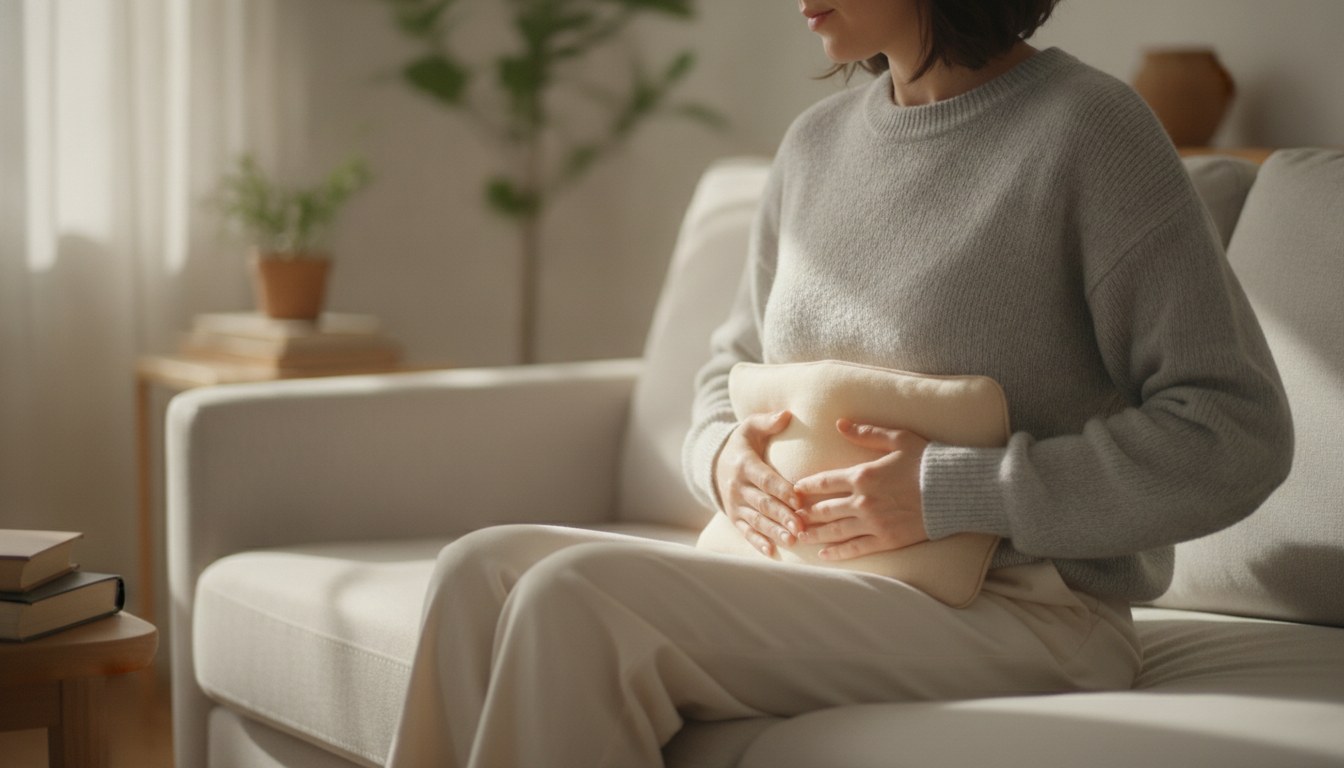
Pregnancy & Women's HealthEndometriosissymptom-check
Written By: DocAi Health Editorial Team
Last Updated: 2026-08-25
Medically Reviewed By: DocAi Health Medical Review Team
Last Updated: 2026-08-25
Medically Reviewed By: DocAi Health Medical Review Team
Medical Disclaimer: This article is for general informational and educational purposes only and is not medical advice. It does not create a doctor-patient relationship and is not a substitute for professional diagnosis or treatment by a qualified healthcare provider. Never disregard or delay seeking professional medical advice because of something you have read here. If you think you may have a medical emergency, call 911 or your local emergency number right away. Health information can change and this guidance is general and US-focused, so consult a licensed clinician in your own country about your specific situation.
Endometriosis happens when tissue similar to the lining of the uterus grows outside it, most often on the ovaries, fallopian tubes, or the tissue lining the pelvis. That tissue responds to your hormonal cycle the way the uterine lining does: it thickens, breaks down, and bleeds each month, but with nowhere to go. The result is inflammation, scar tissue, and pain that can range from mild cramping to symptoms severe enough to interfere with work, sex, and daily movement. This article covers the symptoms that point to endometriosis, how doctors confirm it, and the warning signs that need care right away.
What Endometriosis Feels Like
The hallmark symptom is pelvic pain tied to your menstrual cycle, but the pattern often does not match ordinary period cramps. Endometriosis pain can start days before your period, last well after it ends, or show up as a constant dull ache with sharp flares. Many people describe it as deeper and more localized than typical cramping, sometimes on one side, sometimes radiating to the lower back or down the thigh. Over-the-counter pain relievers that used to help may stop working as well as the condition progresses, and pain that once lasted a day or two can stretch into most of the month.
Severity does not always match how much tissue is present. Someone with a small amount of endometrial-like tissue can have debilitating pain, while someone with extensive tissue may have mild symptoms or none at all. That mismatch is one reason the condition is often missed or dismissed for years before a diagnosis is made.
Where the Pain Shows Up and Why
Because endometrial-like tissue can attach almost anywhere in the pelvis, the symptoms depend on location. Tissue on the ovaries can form cysts called endometriomas, sometimes nicknamed "chocolate cysts" for the dark, old blood they contain. Tissue on the bowel or bladder can cause pain with bowel movements or urination, especially around your period. Tissue on the ligaments that support the uterus can cause deep pain during sex, particularly with deep penetration. In rare cases, tissue can attach near the diaphragm or lungs and cause shoulder pain or breathing symptoms that flare with the menstrual cycle, though this is uncommon.
This location-dependent pattern is why two people with endometriosis can describe completely different symptoms. It is not a single, predictable illness with one script.
Symptoms Beyond Pelvic Pain
Endometriosis frequently comes with symptoms outside the pelvis that get mistaken for other conditions. Heavy menstrual bleeding, bleeding between periods, and fatigue that does not improve with rest are common. Digestive symptoms such as bloating, constipation, diarrhea, or nausea often worsen around your period, which is part of why endometriosis is sometimes confused with irritable bowel syndrome. Bloating severe enough to change how clothes fit, sometimes called "endo belly," is a pattern many people with the condition recognize but few doctors ask about directly.
Chronic pain of any kind can also affect mood, sleep, and concentration. If pelvic pain has been running your calendar for months, it is reasonable to bring up how it is affecting your mental health alongside the physical symptoms when you see a doctor.
How Endometriosis Is Diagnosed
There is no single blood test or scan that confirms endometriosis on its own. A doctor typically starts with a detailed symptom history and a pelvic exam, then may order a transvaginal ultrasound to look for endometriomas or other structural clues. Ultrasound can miss smaller patches of tissue, so a normal scan does not rule the condition out. Magnetic resonance imaging (MRI) can sometimes give a clearer picture, especially when deep tissue involvement is suspected.
The only way to confirm endometriosis with certainty is laparoscopy, a minimally invasive surgery where a doctor looks directly at the pelvic organs and can take a tissue sample. Many doctors will start treatment based on symptoms and imaging before recommending surgery, since laparoscopy carries its own risks and is not always necessary to start managing the condition. Ask your doctor what a "presumptive diagnosis" means for your specific case and what would change if you pursued surgical confirmation.
Endometriosis and Fertility
Endometriosis is associated with fertility difficulties for some people, though many with the condition conceive without assistance. Scar tissue and inflammation can affect the ovaries, fallopian tubes, or the uterine environment in ways that make conception harder, and the degree of impact varies widely from person to person. If you have been trying to conceive for six months without success and are over 35, or for twelve months if you are under 35, talk to a doctor about fertility evaluation regardless of whether endometriosis has been diagnosed. If you already have a diagnosis and are planning a pregnancy, a reproductive endocrinologist can walk you through options ranging from monitored cycles to assisted reproduction.
Treatment Options Your Doctor May Discuss
Treatment is built around your symptoms and your goals, including whether you are trying to conceive. Hormonal options such as combined birth control pills, progestin-only methods, or a hormonal IUD can reduce or stop the monthly bleeding that drives the pain cycle. Gonadotropin-releasing hormone (GnRH) medications can shrink endometriosis tissue by lowering estrogen but are typically used for a limited time because of bone density effects. Pain can also be managed with anti-inflammatory medications, pelvic floor physical therapy, and, for some, nerve-focused pain management.
Surgery to remove visible endometriosis tissue can reduce pain and, in some cases, improve fertility, but symptoms can return over time since surgery does not address the underlying tendency to form new tissue. A hysterectomy is sometimes considered for severe, treatment-resistant cases, but it does not guarantee symptom relief if endometriosis tissue exists outside the uterus, so it is not treated as an automatic fix.
Living With Endometriosis Day to Day
Because endometriosis is a chronic condition, most people manage it with a combination of medical treatment and daily adjustments rather than a single cure. Heat therapy, gentle movement, anti-inflammatory eating patterns, and tracking your cycle to anticipate flares can all reduce how much the condition disrupts your week. Keeping a symptom log, including pain location, severity, and what triggers or eases it, gives your doctor concrete information to work with and can shorten the path to an effective treatment plan.
If a previous doctor told you your pain was normal and it has not felt normal to you, that is worth revisiting with a new provider or a specialist in pelvic pain. The average time from symptom onset to diagnosis is measured in years for many patients, and getting a second opinion is a reasonable and common step, not an overreaction.
When to Seek Medical Care
When to Seek Urgent or Emergency Care
Endometriosis pain is usually chronic and cyclical, but a few specific presentations can signal a complication such as a ruptured ovarian cyst, ovarian torsion, or bowel involvement that needs urgent evaluation. This guidance is in addition to, not a replacement for, the general disclaimer above.
Emergency, call 911 or go to the emergency room immediately if:
- You have sudden, severe one-sided pelvic pain, especially with nausea or vomiting, which can signal a ruptured ovarian cyst or ovarian torsion (a twisted ovary cutting off its own blood supply)
- You are soaking through a pad or tampon every hour for two or more hours, or passing blood clots larger than a golf ball, along with dizziness, a racing heart, or fainting
- You have severe abdominal pain along with fever over 101 degrees F (38.3 degrees C), chills, and vomiting, which can point to a ruptured abscess or a serious pelvic infection
- You have severe pain with an inability to pass stool or gas, significant rectal bleeding, or vomiting that will not stop, which can indicate a bowel obstruction
- You have sudden chest pain or shortness of breath that started around the time of your period, which can rarely signal a collapsed lung from thoracic endometriosis
See a doctor soon (same-day or next available appointment) if:
- Your pelvic pain has gotten noticeably worse or is no longer relieved by pain medications that used to work
- You have new or worsening pain during sex that is starting to affect your relationship or daily life
- Your periods have become much heavier over the last few cycles, or you are seeing blood in your urine or stool that lines up with your period
- You have bowel movements that are consistently painful around the time of your period
- You have been trying to conceive for six to twelve months without success and suspect endometriosis may be a factor
- Pain, bloating, or fatigue is affecting your ability to work, sleep, or manage daily responsibilities on a regular basis
Frequently Asked Questions
Can you have endometriosis without heavy periods?
Yes. Some people with endometriosis have normal or even light periods and the main symptom is pain, not bleeding. Bleeding pattern alone is not a reliable way to rule the condition in or out, which is part of why it can take time to reach a diagnosis.
Does endometriosis get worse with age?
The pattern varies by person. For many, symptoms are worst in their 20s and 30s and can ease after menopause as estrogen levels drop, since endometriosis tissue depends on hormonal stimulation. Some people continue to have symptoms after menopause, especially with hormone therapy.
Can birth control cure endometriosis?
No. Hormonal birth control can reduce pain and slow tissue growth by limiting monthly bleeding, but it does not remove existing tissue or cure the underlying condition. Symptoms can return if you stop the medication, which is why treatment is usually ongoing rather than a one-time fix.
Is endometriosis the same as fibroids?
No, though the symptoms overlap. Fibroids are benign muscle growths inside or on the uterus, while endometriosis is tissue similar to the uterine lining growing outside it. The two conditions can occur at the same time, and imaging plus a clinical exam usually distinguishes between them.
Can endometriosis be seen on a routine ultrasound?
A standard ultrasound can detect larger endometriomas but often misses smaller patches of tissue on the pelvic lining or ligaments. A normal ultrasound does not rule out endometriosis, and a specialized ultrasound or MRI may be recommended if symptoms strongly suggest the condition.
How long does it take to get diagnosed with endometriosis?
Many patients report years passing between when symptoms start and when a diagnosis is confirmed, often because pain was initially treated as typical menstrual cramps. Bringing a detailed symptom log to your appointment and asking directly whether endometriosis is being considered can help shorten that timeline.
Can you still get pregnant with endometriosis?
Many people with endometriosis conceive without medical assistance. The condition is associated with a higher chance of fertility difficulty for some, but a diagnosis does not mean pregnancy is impossible, and a reproductive specialist can outline realistic options based on your specific situation.
What is the difference between endometriosis pain and normal period cramps?
Typical cramps usually stay mild to moderate, respond to over-the-counter pain relievers, and last a day or two. Endometriosis pain often starts earlier in the cycle, lasts longer, is less responsive to standard pain relievers over time, and may come with bowel, bladder, or pain-during-sex symptoms that ordinary cramps do not cause.
Related articles
First Trimester Symptoms: What's Normal and What's NotPerimenopause or Something Else? Symptoms That OverlapPCOS (Polycystic Ovary Syndrome): Symptoms and DiagnosisSources
- ACOG - Endometriosis FAQ
- Mayo Clinic - Endometriosis: Symptoms and Causes
- NICHD (NIH) - Endometriosis: Condition Information, Symptoms
- MedlinePlus (NIH) - Endometriosis
- NICHD (NIH) - Endometriosis: Treatment